
Valeriana olenaea
Valeriana olenaea
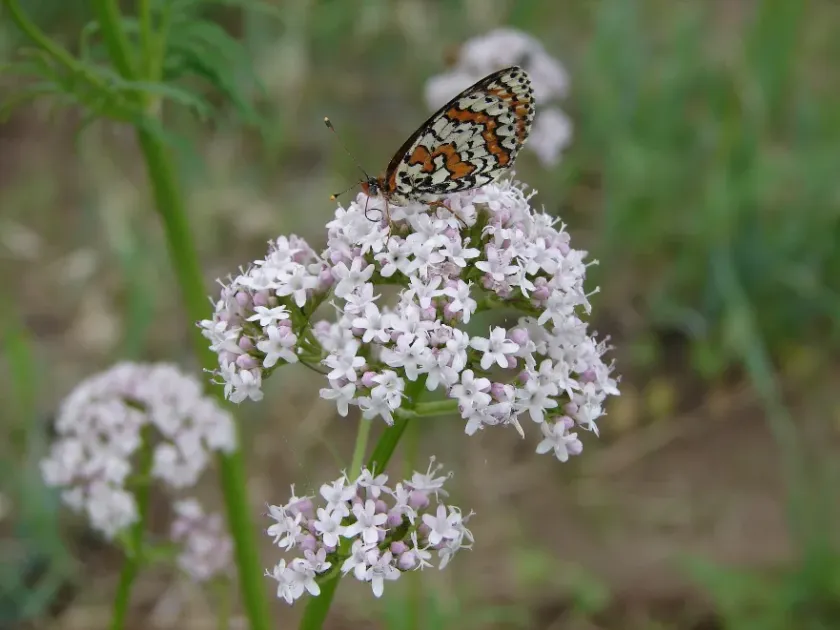
Description
Sowing dates
Valeriana olenaea is a rare and valuable plant belonging to the Caprifoliaceae family that requires specific attention during the sowing process. The most favorable time for planting is either during the late autumn or early spring, as soon as the soil temperature reaches 5-8 degrees Celsius.
The seeds of this species are characterized by low germination energy, which is why stratification for 30-45 days is highly recommended before sowing. Planting is typically done in rows with a spacing of approximately 45 cm, which simplifies subsequent mechanical maintenance.
Seeds should be covered with a very thin layer of soil, no more than 0.5-1 cm deep, as they require light to initiate the germination process. After sowing, firming the soil slightly is essential to improve capillary water flow to the seeds.
If starting with transplants, seeds are sown in greenhouses in late March to ensure that the plants have a well-developed root system by the time they are moved outdoors. This strategy significantly improves survival rates and ensures uniform crop growth.
It is critical to avoid overcrowding the seedlings, as high plant density encourages the development of fungal pathogens and results in leggy stems. Proper spacing is fundamental to the overall health and quality of the future root harvest.
Growing requirements
Valeriana olenaea thrives in moist, organic-rich soils with a neutral or slightly acidic pH. The best predecessors for this crop in a field setting are row crops or fallow soil that has been kept clear of weeds.
The plant prefers partially shaded locations, as direct, intense sunlight can cause the leaf rosettes to wilt during the hottest parts of the day. Nevertheless, adequate light remains crucial for effective photosynthesis and vigorous growth.
Maintaining soil moisture is a critical success factor, especially during the stage when the first pair of true leaves emerges. In the event of a drought, the implementation of drip irrigation is necessary to ensure consistent growth.
To support the development of a robust root system, which is the main harvested part of the plant, farmers should apply balanced potassium and phosphorus fertilizers. Excessive nitrogen should be avoided as it promotes leafy growth over root mass.
The temperature optimum for vegetative growth is between 18 and 22 degrees. Valeriana olenaea is known for its high winter hardiness, allowing it to survive harsh winters comfortably, provided there is a stable snow cover to insulate the soil.
Yield
The productivity of Valeriana olenaea depends heavily on agronomic management and the age of the plantation. The maximum concentration of active biological compounds is achieved during the second year of the plant's life cycle.
The average yield of dried roots under proper cultivation conditions ranges from 1.5 to 2.5 tonnes per hectare. These figures can fluctuate significantly based on soil fertility and the availability of moisture during peak growth stages.
Intensive care, including the application of foliar micronutrient sprays, can increase yields by 20-30%. Ensuring a steady supply of nutrients throughout the season is vital for maximizing the development of the roots.
Weed control is the most important factor for success. On early stages, weeds compete aggressively for sunlight and nutrients, and manual or mechanical weeding is essential to protect the development of the Valeriana crop.
Harvest quality is determined by the content of essential oils and valerenic acid. Following standardized cultivation practices ensures that the resulting raw material meets strict pharmaceutical quality requirements.
Main diseases and pests
The most significant threat to Valeriana plantations is root rot, which typically develops in poorly drained soils with excessive moisture. Affected plants show rapid yellowing and eventual decline.
Powdery mildew often infects the foliage during the summer months when high temperatures are accompanied by fluctuating humidity. Targeted fungicide applications or organic preventative sprays are used to manage this issue.
Pests like wireworms and mole crickets can cause serious damage by feeding on the root collars of young plants. Pre-planting soil treatments are standard practice to mitigate the risk of mass infestation.
Aphids may colonize the flower stalks during the growing season, draining the plant's energy. Biological pest control methods are preferred to maintain the chemical purity of the medicinal product.
Effective disease management relies on crop rotation; it is strongly advised not to return Valeriana to the same field for at least 4-5 years. Removing all crop debris immediately after harvest reduces the overwintering of pathogens.
Harvesting
The harvest takes place in the autumn of the second year when the aerial parts of the plant begin to yellow and wither. This is the stage when the roots reach their highest therapeutic value and essential oil concentration.
Harvesting is performed using mechanical equipment such as root lifters or plows, which extract the root system with minimal damage. Maintaining the integrity of the roots is crucial to prevent the evaporation of essential oils.
Immediately after lifting, the roots must be cleared of soil, washed thoroughly under running water, and separated from the stems. Rapid processing is required to preserve the biological activity of the raw material.
Drying must be conducted at temperatures not exceeding 40 degrees Celsius. Higher temperatures will lead to the loss of aromatic compounds and degradation of the plant's medicinal properties.
Finished roots should be stored in a dry, dark, and cool environment. Using airtight containers helps to extend the shelf life of the dried product and ensures that its quality remains stable over time.