
Valeriana tripteris
Valeriana tripteris
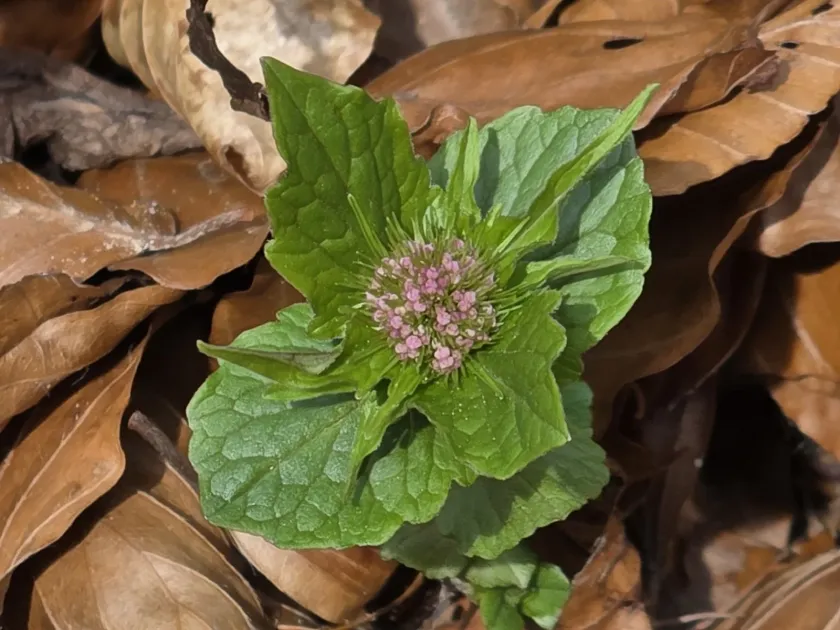
Description
Sowing dates
Sowing of Valeriana tripteris seeds is typically performed in late autumn or early spring, immediately after the snow melts. Successful germination requires a stratification period of 30-45 days at low positive temperatures.
For spring planting, soil preparation should begin in the autumn to ensure the removal of perennial weeds and the incorporation of organic fertilizers. Seeds are sown shallowly, no deeper than 1 centimeter, as they are minute and require sufficient light to trigger sprouting.
Maintaining consistent moisture in the topsoil during the germination phase is critical for the survival of the seedlings. Once the plants develop their first true leaves, thinning is necessary to ensure optimal spacing, typically 15-20 centimeters apart.
Commercial cultivation often utilizes a transplant method to ensure uniform crop density and reduce seedling loss. Transplants are moved to the field once the threat of late spring frost has completely passed.
Proper plant density is essential for ensuring good airflow around the rosettes, which helps prevent the buildup of excess humidity and minimizes the risk of fungal infections.
Growing requirements
This species belongs to the Caprifoliaceae family and is native to mountainous regions in Europe, typically found on rocky slopes, forest edges, and calcium-rich soils. It thrives in cool and humid environments.
The plant is sensitive to prolonged drought and intense direct sunlight; therefore, in warmer agricultural zones, providing partial shade or utilizing sites with northern exposure is highly recommended for best results.
Soil should ideally be neutral or slightly alkaline. Heavy clay soils must be amended with sand or peat to improve drainage, as waterlogged conditions are lethal to the root system of Valeriana tripteris.
During the active growing phase, the plants require a steady supply of moisture. Drip irrigation is the most efficient method for maintaining soil hydration while keeping the leaves dry to avoid potential pathogen development.
Valeriana tripteris exhibits excellent cold hardiness, making it suitable for regions with harsh winters, provided there is sufficient snow cover to protect the roots from deep freezing.
Yield
The yield of Valeriana tripteris raw material depends heavily on the age of the crop. The highest concentration of active compounds is reached during the second year of growth, which is the standard harvest time.
With proper agronomic management, dry root yields can range from 1.5 to 2.5 tonnes per hectare. Quality parameters, such as essential oil content, are highly influenced by soil fertility and solar radiation levels during the flowering phase.
A key biological feature of this species is its compact root system consisting of numerous auxiliary roots, which simplifies the process of mechanical harvesting and cleaning from soil debris.
Seed production from third-year plants is an efficient way to sustain the crop cycle. Seed yields can reach between 100 and 150 kg per hectare under favorable weather and controlled post-harvest conditions.
Strategic fertilization with phosphorus and potassium is advised to promote root development and enhance the production of secondary metabolites, which are essential for the plant's medicinal value.
Main diseases and pests
The primary threats to this culture include fungal infections such as root rot and powdery mildew, which are often triggered by excessive humidity or poor soil drainage management.
Pests such as wireworms and various cutworm species can significantly damage the root crowns, leading to reduced plant vitality and poor market quality of the harvested roots.
Slugs and snails can also pose a risk during wet summer seasons, feeding on the foliage and rosettes, which leaves the plants vulnerable to secondary infections and reduces their vigor.
Disease prevention is best achieved through crop rotation, avoiding planting in the same plot for at least four to five years. Avoiding proximity to Solanaceous crops can also help reduce pest transfer risks.
The use of chemical pesticides should be strictly avoided due to the medical nature of the crop. Biopesticides and manual weeding are preferred for maintaining a healthy and clean field.
Harvesting
Harvesting of the rhizomes is carried out in the autumn of the second growing season, when the aerial parts of the plant begin to yellow, indicating the translocation of nutrients into the roots.
Roots should be lifted carefully from the soil, shaken to remove loose debris, and washed with cold running water. Prolonged soaking must be avoided to prevent the leaching of volatile essential oils.
Primary drying is done in a shaded, well-ventilated area, followed by final drying in a controlled environment at temperatures not exceeding 40 degrees Celsius to ensure quality preservation.
Dried roots should exhibit a characteristic strong odor. They must be stored in airtight containers in a cool, dark, and dry environment to preserve their pharmacological properties over time.
If harvesting the aerial parts for seed or green mass, use sterilized, sharp tools to avoid damaging the plant crown and to prevent infection through open wounds.