
Valeriana hardwickii
Valeriana hardwickii
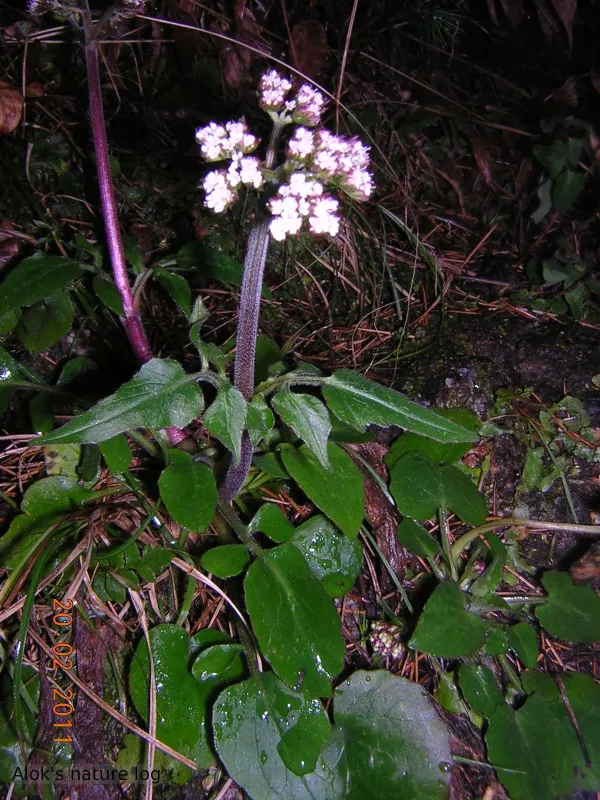
Description
Sowing dates
Valeriana hardwickii is a perennial herbaceous plant belonging to the Caprifoliaceae family. In agricultural practices, sowing is typically performed either in late autumn or early spring, as soon as soil temperatures allow for active germination.
For successful seed germination, high substrate moisture is crucial, and the planting depth should be kept between 0.5 and 1 centimeter. Due to the small size of the seeds, firm contact with the soil is necessary, often achieved by light rolling after the sowing process.
Understanding the plant's biological cycle is essential: during the first year, it develops a rosette of basal leaves, which establishes the necessary foundation for root system development. This biological stage dictates the timing of planting to ensure sufficient biomass accumulation before the peak summer heat.
The optimal planting pattern involves row seeding with spacing ranging from 45 to 60 centimeters. This arrangement provides adequate airflow and facilitates mechanical weeding throughout the vegetative phase.
Seedling transplantation is also a viable option to improve germination rates, particularly in regions with unpredictable spring weather. Transplants are moved to the field once the risk of frost has passed to maximize the growth period.
Growing requirements
Valeriana hardwickii thrives in moderately moist, organic-rich soils with good aeration. Loamy or sandy loam soils with a neutral or slightly acidic pH are considered ideal for optimal crop development.
The plant has specific water requirements, particularly during the period of active root development. Waterlogging must be strictly avoided, as it leads to root rot, necessitating proper soil drainage for any cultivation site.
Cultivation sites should be well-lit but protected from strong winds. Partial shading during the hottest part of the day can be beneficial, as it helps prevent excessive moisture loss and can improve the concentration of active compounds in the roots.
The plant performs best in moderate climates. It is sensitive to extreme heat coupled with dry air, making irrigation systems essential in arid regions to maintain consistent growth rates and healthy plant development.
Soil preparation should be conducted well in advance, incorporating organic matter and balanced fertilizers into the ground before deep plowing. This ensures that essential nutrients are readily available for the plant's robust root growth.
Yield
The yield of Valeriana hardwickii is highly dependent on the age of the crop and the quality of field management. The root system, where essential oils and other medicinal compounds accumulate, is the primary product of interest.
Commercial harvest standards dictate that the plants should be harvested when they reach two years of age, as this is when the concentration of pharmacological compounds peaks within the rhizomes and roots.
Average yields of dried root product fluctuate based on soil fertility and climate conditions during the growing season. Adhering to professional agrotechnical standards ensures consistent yields per hectare for specialized herbal producers.
Post-harvest handling is critical for product quality. Quick cleaning and washing of the roots are necessary to preserve the essential oils, which can degrade if roots are left in contact with soil or water for too long.
The final product is utilized primarily in the pharmaceutical industry and the production of health supplements. Valeriana hardwickii represents a valuable niche crop for farms focused on high-quality medicinal raw materials.
Main diseases and pests
Like many species within the Caprifoliaceae family, this crop is susceptible to various fungal pathogens. Powdery mildew and different types of root rot are the most common threats, especially under high moisture conditions.
Pests such as wireworms and cutworms can cause significant damage to the root system. Effective pest management strategies involve crop rotation and timely inter-row cultivation, which disrupt the habitats of these insects.
Bacterial infections can emerge through mechanical injuries to the roots during weeding operations. Using precision tools and controlling the depth of mechanical cultivation is essential to avoid damaging the root crown.
Disease prevention strategies prioritize the use of high-quality seed material and the implementation of spatial isolation from wild valerian populations to reduce the risk of viral and fungal spread across the plantation.
An integrated pest management (IPM) approach is recommended to minimize losses. This includes using biological control methods alongside the judicial application of approved products to ensure the final product remains safe for medicinal use.
Harvesting
Harvesting is performed at the end of the second vegetative year, typically when the foliage begins to turn yellow and decay. This signaling stage indicates that the roots have accumulated the maximum concentration of active ingredients.
Harvesting tools such as specialized potato diggers or plows adjusted to a depth of 30 centimeters are used to extract the roots from the soil. Care must be taken to minimize mechanical damage to ensure the integrity of the root system.
After extraction, the roots are cleaned of soil and debris, followed by a quick rinse with clean water. Extended soaking is detrimental, as it may wash away volatile oils and decrease the quality of the raw material.
Drying is a critical step in the processing cycle. Roots are dried in specialized facilities at controlled temperatures, not exceeding 40 degrees Celsius, with vigorous ventilation to ensure the removal of moisture.
The final dried raw material should have a moisture content of no more than 12-14 percent. Properly dried valerian roots retain a strong, characteristic aroma and a high content of bioactive compounds, meeting market requirements.