
Valeriana elongata
Valeriana elongata
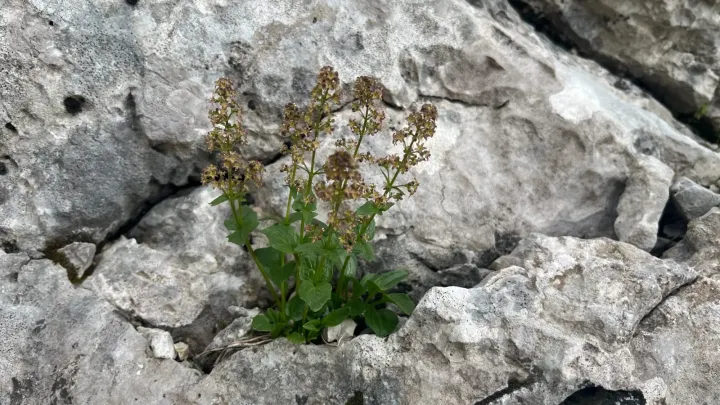
Description
Sowing dates
Valeriana elongata is a perennial herbaceous plant belonging to the Caprifoliaceae family. The seeds of this crop require stratification to improve germination rates, which makes late autumn or early spring sowing the most effective methods for cultivation.
Since the seeds are extremely small, they should be sown at a depth of no more than 0.5–1 cm to ensure adequate light exposure. In field conditions, maintaining row spacing of 45–60 cm is essential for proper aeration and crop management.
When sowing in spring, the soil must be sufficiently warmed, and moisture levels should be kept stable throughout the germination period. Seedlings typically appear within two to three weeks after sowing, provided that the soil surface remains moist.
The first year of growth is characterized by slow development, primarily focusing on the formation of a leaf rosette and root system establishment. Significant expansion of the aerial part and increased biomass production occur mainly during the second growing season.
Maintaining an appropriate stand density is crucial for suppressing weeds, as Valeriana elongata is sensitive to competition during its early growth stages. A recommended density is 15–20 healthy plants per linear meter of row.
Growing requirements
For successful cultivation, Valeriana elongata requires fertile, well-drained loamy or sandy soils. The crop is highly sensitive to waterlogging, which can rapidly lead to root rot and loss of the plant population.
The plant prefers a temperate climate, making irrigation systems necessary in arid regions to ensure consistent growth. The optimal soil pH range for balanced development is between 6.0 and 7.0, which should be monitored before planting.
Light exposure plays a critical role in the synthesis of biologically active compounds, meaning the crop should ideally be grown in open, sunny areas. However, it can tolerate partial shade in regions with extremely high midday temperatures.
Valeriana elongata exhibits high cold tolerance and can successfully overwinter without additional cover. Nevertheless, producers should avoid sites prone to stagnant spring thaw water, which can damage the dormant rhizomes.
Applying organic matter, such as well-rotted compost, before sowing significantly improves crop productivity. Targeted applications of phosphorus and potassium fertilizers are also beneficial for strengthening roots and increasing essential oil content.
Main diseases and pests
Soil-borne pests, such as wireworms and mole crickets, represent the primary threat to young seedlings and can cause severe damage. Agrotechnical practices, including deep tillage, are essential to manage pest populations before planting.
Fungal diseases, including powdery mildew and various root rots, are the most common issues arising from poor drainage or excessive humidity. Regular weeding and inter-row cultivation are vital to prevent moisture accumulation around the plant base.
Strict crop rotation is necessary, with a 4–5 year break before returning the crop to the same plot to avoid the buildup of soil-borne pathogens. This helps maintain the overall health of the soil and reduces the risk of long-term infection.
Frequent field inspections are required to identify disease outbreaks early, allowing for quick removal of affected plants to prevent spread. Early detection is often the most effective method for managing potential crop failure in medicinal herbs.
In commercial settings, appropriate fungicides may be used if they are specifically authorized for medicinal crops. Decisions regarding chemical treatment must always prioritize the safety and quality requirements of the final product.
Harvesting
The harvest of rhizomes is typically carried out in the autumn of the second growing year. The ideal timing is after the aerial parts have withered, as this period corresponds to the highest concentration of active ingredients in the roots.
Rhizomes are carefully lifted from the soil using mechanical equipment to minimize physical damage. After harvesting, the raw material must be thoroughly cleaned of soil residues and rinsed with cold water to ensure high-quality output.
Drying should take place in well-ventilated structures or industrial dryers at temperatures not exceeding 40 degrees Celsius. Excessive heat causes the evaporation of essential oils, significantly diminishing the therapeutic value of the herb.
Final yield depends heavily on site-specific soil fertility and the consistency of agronomic maintenance. The dried roots must be stored in airtight containers in a cool, dark place to preserve their aroma and pharmaceutical properties.
Once the harvest is complete, all plant debris must be cleared from the field to prevent it from becoming a source of future infections. Deep plowing of the soil is recommended to prepare the plot for the subsequent crop in the rotation cycle.