
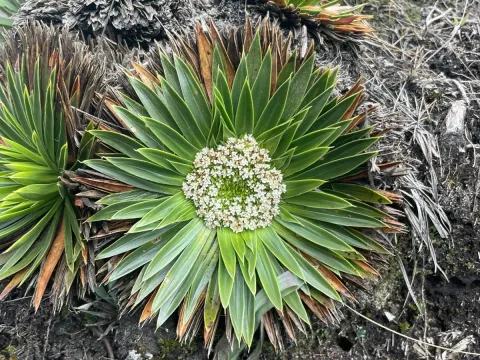
Valeriana rigida
Valeriana rigida
Valeriana rigida is a perennial herbaceous plant belonging to the Caprifoliaceae family. It is naturally distributed in mountainous regions, which has shaped its physiological adaptation to cold winters and specific altitude-related environmental pressures.
What the section contains
Valeriana rigida
The plant requires well-drained, porous soils to thrive, as its root system is sensitive to waterlogging. Ideally, the soil pH should be slightly alkaline to neutral, mimicking the natural conditions of its mountain habitats.
Climate-wise, this crop prefers temperate conditions with sufficient sunlight. While it is hardy, extreme heat waves can cause physiological stress, requiring farmers to monitor irrigation carefully during peak summer months.
Botanically, Valeriana rigida is characterized by its stiff stems and a dense rosette of basal leaves. Its rootstock is the primary commercial part, containing a concentrated profile of essential oils and specialized organic compounds.
In terms of agricultural utility, it is primarily harvested for its pharmacological properties. The concentration of valeric acid and other bioactive components makes it a valuable candidate for high-quality herbal extract production.
The main threats to this crop include root rot pathogens, specifically those that thrive in compacted or overly wet soil conditions. Proper soil aeration and crop rotation are the primary methods for reducing the impact of these diseases.
Insects like aphids and various species of nematodes can cause significant damage to the plant's health. Integrated pest management strategies are advised, focusing on early detection and the use of bio-control agents to maintain the quality of the harvested roots.