
Valeriana supina
Valeriana supina
Description
Sowing dates
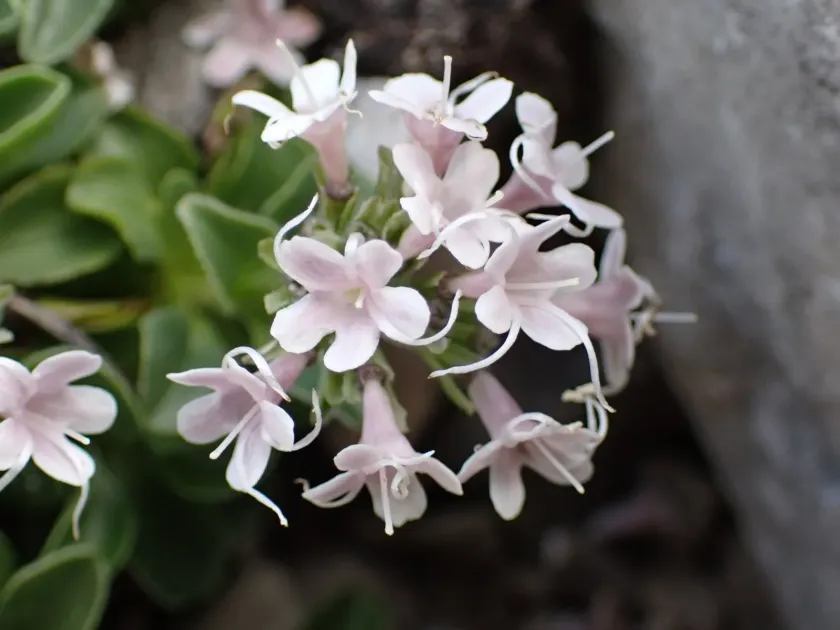
Valeriana supina is a perennial herbaceous plant belonging to the Caprifoliaceae family. It is a rare alpine species adapted to high-altitude environments with thin, nutrient-poor soils.
Propagation is primarily done via seeds, which require a cold stratification period to break dormancy. Sowing in late autumn or early spring provides the natural temperature fluctuations needed for germination.
The seeds are small and should be sown on the surface of well-prepared, loose soil. Providing a thin layer of fine grit or sand helps to keep the seeds in place and maintain the necessary moisture levels.
During the first year, the plant develops a small basal rosette and invests energy in building a strong root system. Weeding is crucial during this phase to ensure the young seedlings are not outcompeted.
Spacing should be managed to ensure adequate ventilation, which is vital for preventing rot. Proper aeration around the foliage minimizes the risk of fungal outbreaks in denser stands.
Growing requirements
This species demands excellent drainage and prefers rocky or gravelly substrates. It struggles in heavy, waterlogged soils which lead to rapid decay of the root system.
Valeriana supina thrives in cool, humid environments with high solar intensity. It requires consistent light but should be protected from extreme heat waves in lowland cultivation settings.
The soil should have a neutral to slightly acidic pH. Fertilizer application should be conservative; an excess of nitrogen leads to leafy overgrowth, which dilutes the medicinal potency of the roots.
Water management is critical. The soil should be kept consistently moist but never saturated. Drip irrigation systems adjusted to the plant's alpine origin are highly recommended.
Mulching with crushed stone or gravel serves to maintain cooler soil temperatures and mimics the natural debris found in the plant’s wild alpine habitat.
Main diseases and pests
Root rot, often caused by pathogenic fungi such as Phytophthora, is the primary threat to this crop. It is exacerbated by improper soil aeration and excessive rainfall during the summer months.
Soil-borne pests like wireworms can cause significant damage to the roots, leading to plant decline. Pre-planting soil treatments or crop rotation are essential management strategies.
Leaf spot diseases can occur if the foliage remains damp for prolonged periods. Ensuring proper plant spacing and avoiding overhead watering can significantly reduce these risks.
Nematodes are another common challenge in professional cultivation, requiring the use of resistant soil or fumigation techniques if the land was previously used for susceptible crops.
Small mammals and rodents may target the nutrient-dense roots. Protective wire mesh or exclusion fencing around the cultivation site is often necessary to prevent significant yield losses.
Harvesting
The harvest of Valeriana supina roots usually takes place after two to three years of growth. This period allows the roots to accumulate the necessary levels of valeric acids and other secondary metabolites.
Harvesting is typically conducted in the autumn once the top growth has withered. The roots are carefully excavated to ensure minimal breakage, preserving the integrity of the herbal material.
Once gathered, the roots must be thoroughly washed to remove all soil and debris. This step is vital to ensure the final product meets pharmacological quality standards.
Drying is performed in dark, well-ventilated areas at controlled temperatures. Avoiding direct heat is essential to preserve the volatile oils that give the plant its characteristic therapeutic properties.
Stored material should be kept in airtight containers in a cool, dry place. Proper storage prevents oxidation and ensures the medicinal efficacy of the Valeriana supina remains stable for up to three years.