
Valeriana pyrolifolia
Valeriana pyrolifolia
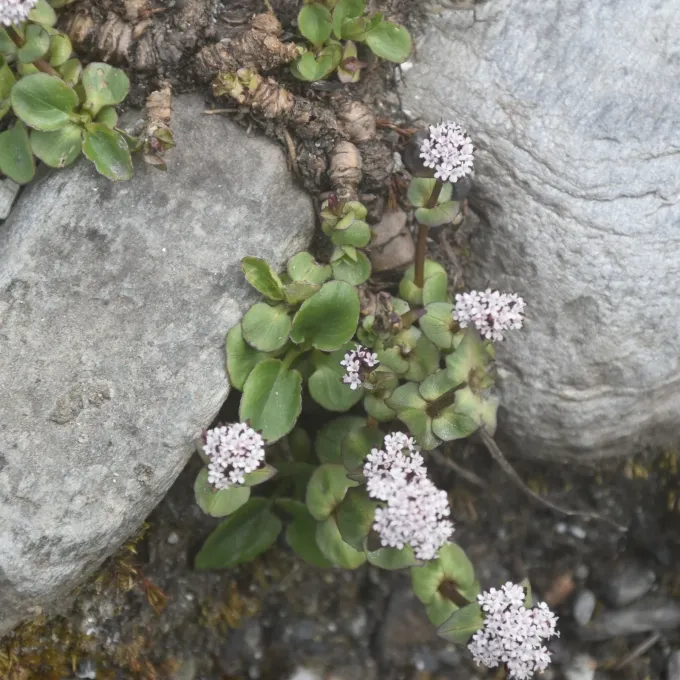
Description
Sowing dates
Valeriana pyrolifolia is a member of the Caprifoliaceae family. This species requires specific preparation, as seeds often exhibit dormancy that must be overcome through cold stratification.
The optimal sowing time is late autumn for natural stratification or early spring in a nursery environment under controlled temperature conditions.
Seeds should be sown shallowly into a moist, light substrate, as they require a certain amount of light for uniform germination.
Proper spacing is crucial to prevent competition among seedlings, ensuring each plant has sufficient root space for future development.
For commercial production, starting plants in trays allows for better survival rates before transplanting into the main field.
Growing requirements
The culture thrives in cool, temperate climates and is highly adapted to regions with sufficient annual rainfall and mild summer temperatures.
Soils should be rich in organic matter, well-draining, and maintain a pH level close to neutral to support optimal nutrient uptake.
This plant prefers semi-shaded environments, avoiding direct intense sunlight which can scorch the leaves and stunt vegetative growth.
Moisture management is key; the soil should remain consistently moist but never waterlogged to protect the health of the rhizomes.
Agricultural maintenance involves regular mulching to keep the roots cool and weeding to prevent competition for essential nutrients.
Main diseases and pests
Root rot caused by fungal pathogens is the primary threat, especially in poorly drained soils or during periods of excessive rainfall.
Aphids and spider mites are the most common pests that affect the foliage, potentially reducing the overall vigor of the plants.
Soil-borne larvae, such as wireworms, can damage the underground parts, leading to secondary infections and plant decline.
Integrated pest management strategies should focus on crop rotation and the removal of infected plants to maintain field hygiene.
- Monitor for early signs of leaf discoloration.
- Maintain proper air circulation in the field.
- Apply environmentally safe controls if pest thresholds are reached.
Harvesting
Harvesting usually takes place at the end of the second or third growing season when the active compounds in the rhizomes are most concentrated.
The harvest should be performed when the above-ground parts of the plant begin to wither, signaling the dormant state.
Rhizomes are carefully excavated, cleaned of soil, and trimmed to ensure that only the highest quality material is collected.
Drying is a critical step; it must be performed in a cool, dark, and well-ventilated area to preserve the essential oils of the plant.
Proper packaging and storage of the dried product are essential to maintain the therapeutic quality of the harvested medicinal material.