
Valeriana rossica
Valeriana rossica
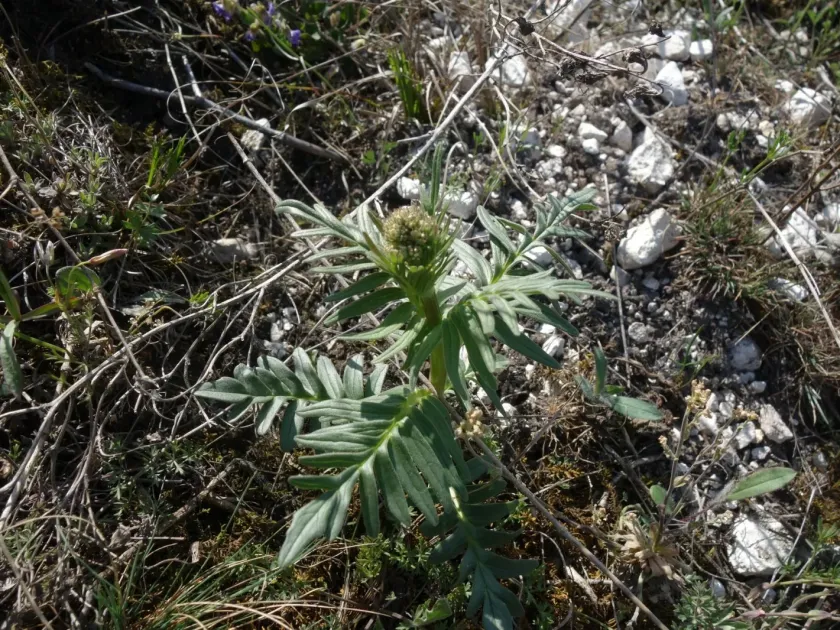
Description
Sowing dates
Valeriana rossica, belonging to the Caprifoliaceae family, is a perennial herbaceous plant cultivated for its medicinal properties. For large-scale production, seeds are typically sown in late autumn to ensure natural stratification and better spring emergence.
Spring sowing is also possible and should be performed as early as soil conditions allow. The soil must be kept moist during the germination phase to ensure a uniform plant stand across the field.
The standard row spacing is 45 to 60 centimeters, allowing for efficient mechanical weeding and cultivation. Seeds are sown shallowly, as they are small and require minimal soil coverage, usually no more than 1 centimeter deep.
During the first year, the plant develops a vegetative rosette. Significant biomass accumulation in the rhizomes occurs primarily during the second year of growth, which is the focus of commercial cultivation.
Seedbed preparation is crucial; the soil must be fine-grained and weed-free to prevent competition with the slow-growing valerian seedlings during the early establishment phase.
Growing requirements
Valeriana rossica thrives in fertile, loamy or sandy loam soils rich in organic matter. Proper drainage is essential, as the plant is highly sensitive to waterlogging, which can easily cause root decay.
The optimal pH range for this crop is between 5.5 and 7.0. Soils within this range provide the best availability of nutrients necessary for the development of active compounds in the rhizomes.
While the plant prefers sunny locations, it can tolerate partial shade in warmer climates. Sufficient solar radiation is necessary to maximize the concentration of essential oils and other medicinal compounds.
Agricultural management requires regular inter-row cultivation to aerate the soil and control weed populations. Weed management is especially important in the first year when the plant is establishing its root system.
Balanced fertilization is key to yield; phosphorus and potassium are generally prioritized. Nitrogen should be managed carefully to avoid excessive leafy growth at the expense of root development.
Yield
The yield of air-dried rhizomes of Valeriana rossica generally ranges from 1.5 to 2.5 metric tons per hectare. This variation depends heavily on soil fertility, climate, and the age of the plants.
Maximum yields are typically achieved when harvesting occurs at the end of the second year. This timing ensures that the plant has accumulated its peak level of biologically active ingredients.
Key productivity factors include:
- Water availability during the peak growth season.
- Effective pest and disease monitoring.
- Optimal planting density for the specific soil type.
- Successful overwintering of the plants.
Rhizomes and roots constitute the entire commercial value of the crop. Proper post-harvest handling ensures that the harvested biomass is not contaminated with soil or foreign matter.
Continuous monitoring of plant vigor allows farmers to predict yields more accurately and adjust management practices accordingly during the growing season.
Main diseases and pests
Powdery mildew is a common threat, especially in humid conditions or crowded fields. Control measures include selecting well-ventilated areas and applying fungicides when early symptoms are detected.
Root rot represents a significant danger in fields with poor drainage or during exceptionally wet summers. Prevention involves maintaining optimal soil structure and effective field drainage.
Pests like wireworms and nematodes can attack the root system, reducing the quality and quantity of the harvest. Integrated pest management, including crop rotation, is the standard approach.
Aphid infestations can occur during early spring and summer, affecting plant health. Regular scouting helps in identifying outbreaks before they reach critical levels that require intervention.
Using certified, healthy plant material and maintaining good field hygiene are the primary ways to minimize the risk of diseases and ensure a healthy, high-quality crop.
Harvesting
Harvesting is typically conducted in the autumn of the second year when the aerial parts begin to senesce. This phase indicates that the plant has ceased leaf growth and focused energy on the roots.
Mechanical harvesting equipment, such as modified potato harvesters, is used to extract the rhizomes from the soil. Careful calibration is necessary to minimize physical damage to the roots.
Freshly harvested rhizomes must be cleaned of soil promptly, using water if necessary, but excessive washing can lead to faster decay if not dried immediately afterwards.
Drying is a critical step; temperatures must be strictly controlled, generally not exceeding 40 degrees Celsius, to prevent the loss of heat-sensitive essential oils that define the product's quality.
Storage of the finished product requires cool, dry, and dark conditions. Proper packaging protects the medicinal material from humidity and light degradation until it reaches the processing facility.