
Valeriana mexicana
Valeriana mexicana
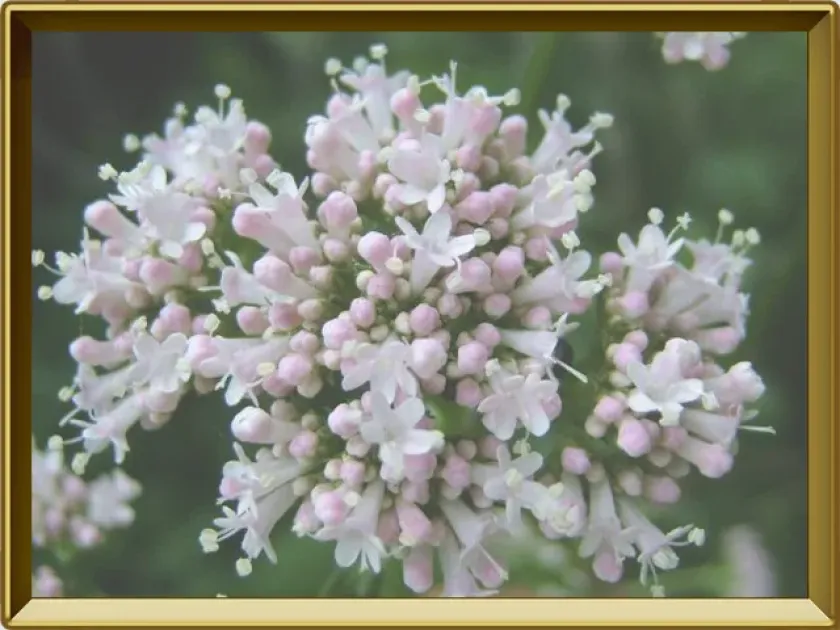
Description
Sowing dates
Sowing of Valeriana mexicana seeds is primarily conducted in the spring when soil temperatures reach 10–12 degrees Celsius. To ensure uniform germination, seeds require preliminary stratification for 30–45 days under cold conditions.
In commercial operations, both direct seeding and transplanting from seedlings are practiced. The seedling method helps shorten the growing season in regions with shorter summers and allows for a more developed root system by the end of the first year.
The sowing depth should be minimal, not exceeding 0.5–1 cm, as the seeds are highly sensitive to a lack of light during germination. After sowing, it is recommended to slightly compress the soil surface to improve capillary moisture flow to the seeds.
The planting pattern depends on harvesting methods and machinery characteristics. Rows are typically spaced 45–60 cm apart, which provides enough space for the formation of high-quality rhizomes and facilitates ongoing crop maintenance.
The optimal plant density at harvest time is between 150,000 and 200,000 plants per hectare. Regular thinning of seedlings helps avoid intraspecific competition and promotes the intensive development of the medicinal raw material.
Growing requirements
Valeriana mexicana belongs to the Caprifoliaceae family and is a perennial herbaceous plant characterized by its branched rhizome. The crop prefers moderately humid climatic conditions with sufficient rainfall during the summer period.
Successful growth requires fertile, well-drained loamy or sandy loam soils with a neutral or slightly acidic pH. Stagnant groundwater is detrimental to the plant, as it quickly leads to root system rot.
The plant is light-loving, so open, well-lit locations protected from strong winds are selected for planting. In shaded conditions, the concentration of biologically active substances in the roots noticeably decreases.
Agronomic practices include systematic row cultivation and weeding, especially in the first year of vegetation when the growth rate of the above-ground part is relatively slow. The crop responds well to the application of organic and complex mineral fertilizers.
Irrigation should be moderate but regular during the active growing phase. In drought periods, moisture deficiency leads to premature lignification of the roots and reduced harvest quality, which is critical for industrial use.
Main diseases and pests
The primary threat to Valerian comes from fungal diseases, such as powdery mildew, which occurs during high humidity and in dense plantings. Prevention requires strict crop rotation and maintenance of optimal plant density.
Root rots are a serious phytosanitary risk associated with excessive soil moisture and poor aeration. Once the crop is infected, there are no effective curative treatments, so the focus remains on preventative agronomic management.
Pests such as wireworms and cutworm larvae can damage the root system and root crown, reducing the market value of the crop. Integrated pest management strategies with a focus on preventative measures are used to control these threats.
Aphids often colonize young leaves, extracting sap and facilitating the spread of viral diseases. Regular monitoring of the crops during the spring and summer periods allows for the timely identification of outbreaks and the containment of pest populations.
Compliance with quarantine measures when handling seed material helps minimize the risk of pathogen entry. It is crucial to select varieties that are resilient to regional climate stresses and capable of maintaining immunity throughout the growing cycle.
Harvesting
Harvesting of Valeriana mexicana is performed at the end of the second year of vegetation, when the above-ground part of the plant begins to die off. By this time, the accumulation of essential oils and active components in the rhizome reaches its peak.
The root extraction process is performed using specialized plows or hydraulic lifters, followed by soil removal. It is essential to conduct work in dry weather to prevent raw material spoilage due to excess moisture.
After excavation, the rhizomes are immediately washed in running water to remove soil residues. Any delay in cleaning can lead to rapid fermentation and the loss of valuable biological compounds stored in the plant tissues.
Drying the raw material is a critical step that requires maintaining temperatures no higher than 40–45 degrees Celsius. Overheating during drying leads to the evaporation of essential oils and the degradation of active compounds, lowering the product's pharmacological value.
Once drying is complete, the product is packed in multi-layered bags or containers for storage in dry, well-ventilated rooms. The quality of the finished raw material must meet standards regulating active substance content in this crop.