
Valeriana longiflora
Valeriana longiflora
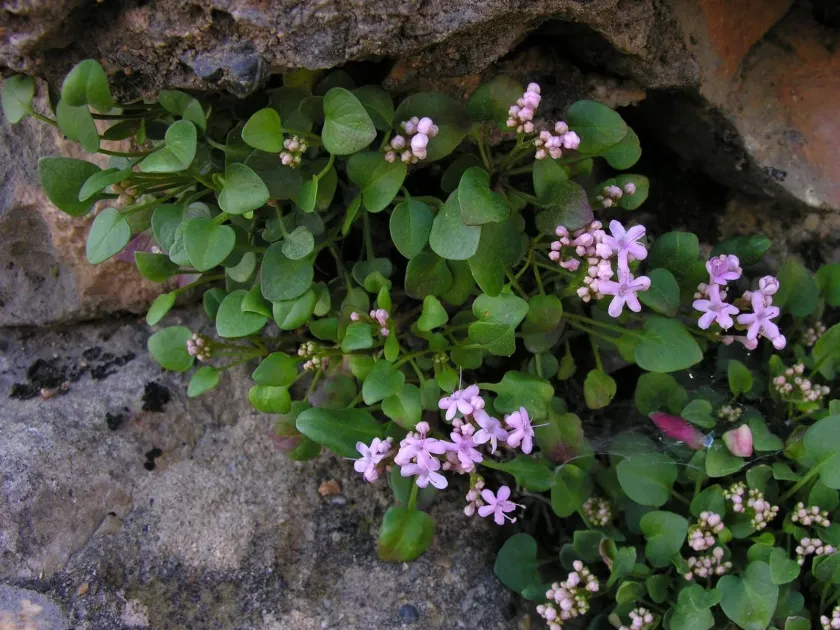
Description
Sowing dates
Valeriana longiflora is a perennial herbaceous plant belonging to the Caprifoliaceae family. Successful commercial cultivation requires a deep understanding of its developmental stages, particularly during the establishment phase of the crop.
Sowing is typically performed in late autumn to facilitate natural seed stratification, which ensures uniform germination in the spring. Alternatively, early spring sowing can be practiced if the soil is prepared to maintain consistent moisture levels.
Seeds are tiny and must be sown at a shallow depth of approximately 1-2 centimeters. Over-burial significantly reduces emergence rates and compromises the overall density of the crop canopy in the first year of growth.
Standard row spacing is maintained between 45 and 60 centimeters. This provides sufficient room for mechanical weeding and ensures that each plant receives adequate access to soil nutrients and water, which is critical for root development.
Seed quality and viability testing are essential prior to planting. High-vigor seeds lead to more robust rosette development during the first growing season, which is crucial for building the storage energy required for high-yield harvesting.
Growing requirements
The plant thrives in loamy or sandy-loam soils that are rich in organic matter and possess a neutral pH. Proper soil structure is vital, as heavy, compacted soils inhibit the development of the primary root system and lower quality.
Valeriana longiflora prefers full sun, though it can tolerate partial shade in regions with extremely high summer temperatures. Consistent moisture is required, but the crop must be planted in areas with excellent drainage to prevent root rot.
Optimal growth occurs at temperatures ranging between 18 and 22 degrees Celsius. During the peak of the growing season, consistent water supply is critical for maximizing root biomass, which is the primary marketable part of the plant.
Fertilization strategies should focus on phosphorus and potassium to promote root health. Excess nitrogen application is generally avoided, as it encourages excessive vegetative growth at the expense of the root system's medicinal density.
Maintaining a clean field environment through systematic weeding and soil aeration helps to promote vigorous root expansion. Farmers should monitor soil moisture carefully during the establishment phase to ensure no stress is placed on young plants.
Main diseases and pests
Root rot is the most significant threat to Valeriana longiflora, often caused by waterlogging or poor drainage. Managing water levels and ensuring good soil aeration are the most effective preventative strategies for this disease.
Soil-dwelling pests, such as wireworms, can cause damage to the root system, leading to stunted plant growth. Implementing crop rotation cycles helps disrupt the lifecycle of these pests and prevents them from establishing a foothold in the field.
Leaf-feeding insects and aphids may occasionally impact the foliage, particularly during dry spells when plant immunity is lower. Regular field scouting is necessary to identify and treat these outbreaks before they affect root vigor.
Powdery mildew can become an issue in high-humidity environments with poor air circulation. Thinning the rows and ensuring proper spacing between plants is a highly effective way to increase airflow and prevent fungal development.
Implementing a strict multi-year crop rotation schedule is mandatory for sustainable production. Returning the crop to the same plot too soon increases the risk of soil-borne pathogens, which can decimate future harvests.
Harvesting
The harvest of Valeriana longiflora roots takes place during the second year of cultivation, typically in the autumn once the aerial parts of the plant have begun to die back. This timing ensures the highest concentration of volatile oils.
Mechanized root diggers are used to carefully extract the roots from the soil. The process must be gentle to minimize physical damage, as bruised roots are prone to rapid degradation during the washing and drying phases.
Post-harvest processing involves thorough cleaning of the roots to remove all soil residues. Careful washing is followed by immediate preparation for drying to prevent any microbial activity or fermentation of the root mass.
Drying must be conducted in controlled conditions with temperatures strictly capped at 40 degrees Celsius. Excessive heat causes the evaporation of essential medicinal compounds, which drastically reduces the market value of the batch.
Valeriana longiflora is a valuable medicinal crop used extensively for its sedative properties in the pharmaceutical industry. Strict adherence to harvesting and drying protocols is essential for ensuring product consistency and quality.