
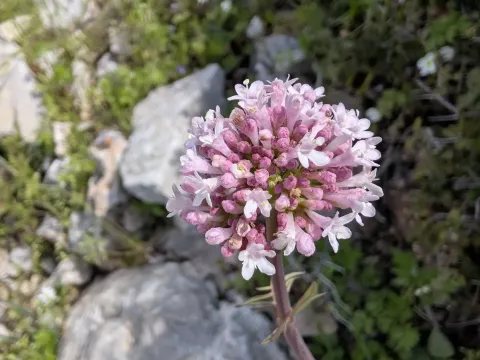
Valeriana dioscoridis
Valeriana dioscoridis
Valeriana dioscoridis is a perennial herbaceous plant belonging to the Valerianaceae family. Known for its specific botanical characteristics, this species is native to the Eastern Mediterranean and regions of Western Asia, where it thrives in distinct climatic conditions.
What the section contains
Valeriana dioscoridis
To achieve high yields, this crop requires well-drained, nutrient-rich soils with a neutral or slightly alkaline pH. It performs best in locations that receive adequate sunlight, which is essential for the synthesis of bioactive compounds within the root system.
The agronomic profile of Valeriana dioscoridis emphasizes the need for a loose, crumbly soil structure. Compacted soils can impede the development of the taproot, which is the primary part of the plant used for commercial and medicinal purposes.
Water management is critical during the initial growing season; regular moisture is necessary to establish a robust root system. However, excessive irrigation or waterlogging must be avoided to prevent root rot, which is a major threat to crop survival.
Effective cultivation also requires proper spacing to ensure adequate air circulation between rows. This practice is vital for reducing humidity levels around the foliage and promoting overall plant health throughout the vegetative phase.
The primary threats to Valeriana dioscoridis production include soil-borne pathogens such as fungal root rots. These diseases thrive in environments with poor drainage and high moisture levels, necessitating strict water control.
Powdery mildew represents a significant risk to the aerial parts of the plant during periods of high atmospheric humidity. Maintaining optimal planting density and selecting resistant cultivars are recommended preventative strategies.
Soil pests like wireworms can cause severe damage by feeding on the roots of the plants. Integrated pest management, including crop rotation and the use of targeted biological controls, is essential for mitigating these risks.
Nematode infestations are another concern that can lead to stunted growth and reduced crop quality. Growers should focus on soil sanitation and the use of clean planting material to minimize the introduction of these pests.
Regular field monitoring is a fundamental agronomic practice. Early detection of any pathological or pest issues allows for timely intervention, ensuring that the final crop meets the required quality standards for pharmaceutical use.
Harvesting Valeriana dioscoridis is typically scheduled for the end of the second or third year of growth. At this stage, the roots contain the highest concentration of essential oils and other biologically active substances.
The harvest should be conducted after the aerial parts have withered, which indicates that the plant has stored all available nutrients in the root system. This ensures the maximum yield and chemical potency of the harvested material.
Mechanical harvesting using specialized equipment is common in larger plantations. The roots are lifted from the soil, cleaned, and thoroughly washed to remove all soil particles before processing can begin.
Drying the raw material must be performed in controlled conditions with temperatures not exceeding 40 degrees Celsius. Excessive heat causes the evaporation of valuable aromatic components, significantly lowering the market value of the crop.
Proper storage post-harvest is equally crucial. The dried roots must be stored in cool, dark, and well-ventilated areas to protect them from moisture, pests, and light degradation before final packaging and distribution.