
Valeriana acutiloba
Valeriana acutiloba
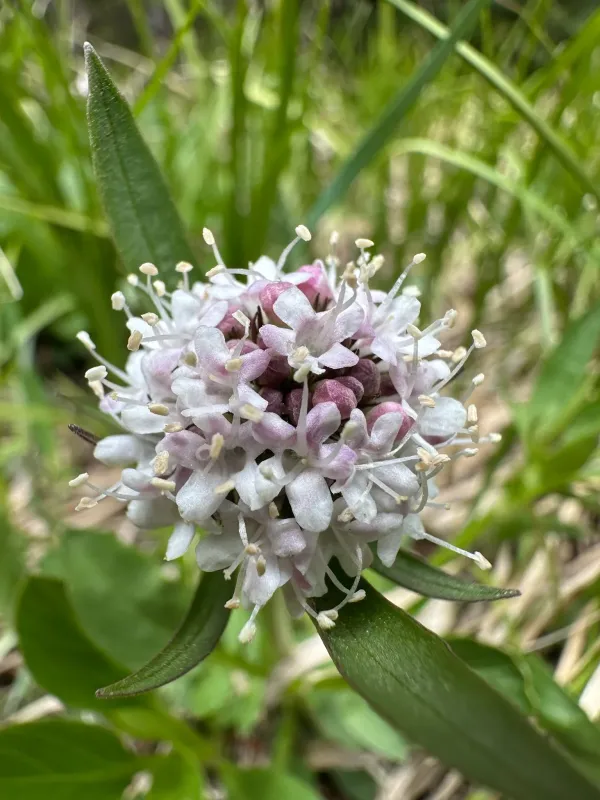
Description
Sowing dates
Valeriana acutiloba is typically sown in the spring when soil temperatures reach 8–10 degrees Celsius, or in late autumn before the ground freezes. To ensure successful germination, seeds should be sown shallowly, as they are light-sensitive and may fail to sprout if buried too deeply.
For spring sowing, it is recommended to stratify the seeds for 2-3 weeks, which significantly improves germination vigor. Maintaining a row spacing of 45–60 centimeters is ideal, as it facilitates mechanical maintenance and weed control between rows.
Seeds should be covered with no more than 0.5–1 centimeter of loose, moist soil. It is crucial to maintain consistent moisture in the substrate during the first few weeks after emergence, as the seedlings are highly sensitive to drought in their initial development stages.
The seeding rate is approximately 0.8–1.2 kilograms per hectare for standard row planting. In intensive cultivation, the wide-row method is preferred, as it encourages better root system development and allows for proper nutrient distribution.
Seedlings typically emerge within 15–20 days under optimal moisture and temperature conditions. Young plants grow slowly initially, making it essential to keep the fields free of weeds to ensure the young valerian plants are not outcompeted for resources.
Growing requirements
Valeriana acutiloba, belonging to the Caprifoliaceae family, is a perennial herbaceous plant featuring a dense, robust rhizome. Successful cultivation requires well-drained, fertile soils with a light texture, such as loams or sandy loams, which allow for optimal root expansion.
The plant thrives in areas with full sun exposure, although in hotter climates, light afternoon shade is beneficial to prevent soil overheating. The optimal soil pH level for this species ranges from 6.0 to 7.5, ensuring nutrient availability for healthy growth.
This species is highly cold-hardy and capable of enduring harsh winters provided there is sufficient snow cover. A key climatic requirement is moderate air humidity during the active growth period, as prolonged drought conditions significantly reduce overall biomass production.
Cereal crops or legumes serve as excellent predecessors for valerian, as they help improve soil structure and nitrogen content. The crop responds well to organic fertilization, such as well-rotted manure or compost, applied during the initial soil preparation stages.
An essential agronomic practice is the maintenance of loose soil through regular mechanical cultivation between rows. This promotes oxygen circulation around the root zone and prevents the formation of soil crusts that can restrict plant development.
Main diseases and pests
Wireworms are among the most significant pests for Valeriana acutiloba, as they bore into the rhizomes and roots, drastically reducing the quality and market value of the harvested raw material. Implementing proper crop rotation is vital for minimizing soil pest populations.
Fungal diseases like powdery mildew and leaf rust pose a threat in high-humidity environments or dense, poorly ventilated plantings. To manage these, growers should ensure proper plant spacing and avoid excessive irrigation during overcast weather.
Root rot can occur in heavy, waterlogged soils with poor drainage. Prevention focuses on selecting sites with a low water table and ensuring that soil moisture remains balanced to prevent the root system from becoming oxygen-deprived or susceptible to decay.
Aphid infestations may occur during hot, dry summer months and should be monitored through regular field inspections. In cases of severe outbreaks, the use of bio-rational pesticides approved for medicinal plants is the recommended course of action.
Strict phytosanitary practices, including the removal of crop residues and the elimination of weed hosts that act as infection reservoirs, are fundamental for maintaining healthy and productive plantations over the years.
Harvesting
The harvest of medicinal rhizomes and roots is typically performed in the autumn of the second year, when the aerial parts of the plant begin to wither naturally. At this stage, the concentration of active compounds in the root system reaches its peak.
The harvesting process begins by loosening the soil with specialized equipment, such as mechanical diggers or plows, to a depth of 25–30 centimeters. The plants are then lifted, shaken to remove soil, and washed thoroughly with cold water to ensure cleanliness.
Once washed, the roots must be dried in well-ventilated areas or specialized industrial dryers at temperatures not exceeding 40 degrees Celsius. High heat causes the degradation of essential oils, which are critical to the plant's pharmacological effectiveness.
The finished product should display a characteristic pungent aroma and a deep brown color. Dried roots are packed in multi-layered paper bags or fabric containers, which protect the material from moisture and contamination during storage and transit.
Under optimal conditions and proper management, the yield of dried valerian root ranges from 15 to 25 centners per hectare. Finished goods should be stored in dry, cool, dark, and well-ventilated environments to preserve potency.