
Valeriana dioica
Valeriana dioica
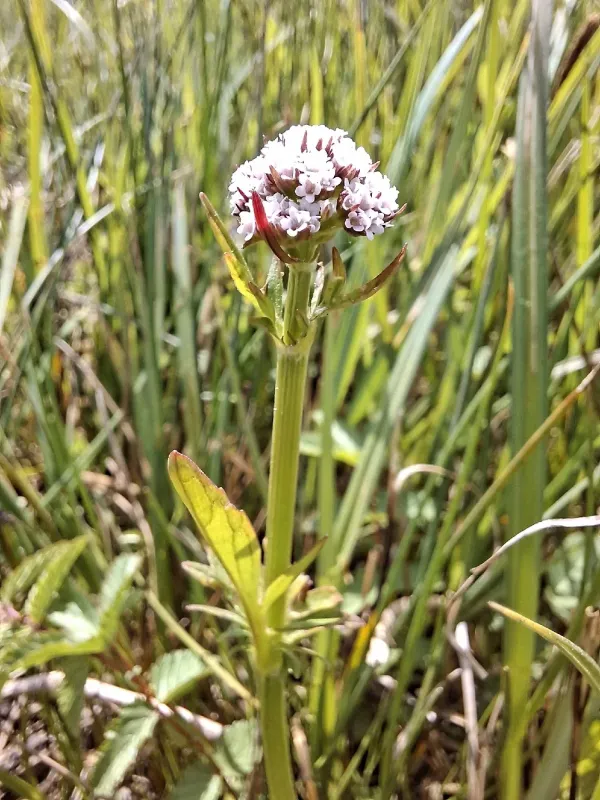
Description
Sowing dates
Valeriana dioica, commonly known as marsh valerian, is a perennial herbaceous plant belonging to the Caprifoliaceae family. In cultivation, propagation is typically achieved through seeds or the division of rhizomes during the dormancy period.
For seed sowing, success relies on mimicking natural cold stratification. Seeds are best sown in late autumn to ensure they experience the winter chill required for high germination rates in the spring.
When using rhizome division, sections with viable buds should be planted in early spring when moisture levels in the soil are at their peak, ensuring rapid root establishment.
Planting density should be carefully controlled to allow for the horizontal spread of the rhizomes, as this species naturally forms dense colonies in suitable habitats.
The selection of the sowing site is critical; it must replicate the natural damp conditions of the plant's native habitat to avoid early-stage plant mortality due to desiccation.
Growing requirements
The primary requirement for Valeriana dioica is consistently moist to waterlogged soil. It is a specialist species that thrives in fens, wet meadows, and alongside marshes where the water table is high.
Soil composition should be rich in organic matter, preferably humic or peaty soils with a neutral to slightly acidic pH, which supports the intensive vegetative growth cycle of the plant.
Although it tolerates partial shade, it requires sufficient light for robust development of the floral stalks; however, extreme heat or direct midday sun must be mitigated through mulch or canopy cover.
The plant is highly winter-hardy, well-adapted to temperate climates, and requires little protection against frost as long as the rhizome layer remains insulated from extreme freezing temperatures.
Adequate air humidity is as important as soil moisture; in drier climates, irrigation systems must be utilized to maintain a microclimate that prevents the leaf tips from browning.
Main diseases and pests
The most significant threat to a crop of Valeriana dioica is fungal root rot, triggered by stagnant water combined with lack of soil oxygen, which facilitates the spread of pathogenic organisms.
Pests such as wireworms and various larvae can damage the subterranean rhizomes, creating wounds that lead to secondary bacterial infections that significantly reduce yields.
Powdery mildew may occur if planting density is too high, leading to stagnant air within the leaf canopy. Thinning the plants periodically is a recommended practice to maintain airflow.
Nematodes represent a silent threat to root health, often causing stunted growth or abnormal swellings on the rhizomes, requiring careful inspection of stock before planting.
Biological control methods are preferred over chemical pesticides, as the plant is often harvested for sensitive pharmacological applications where residue levels must be kept to a minimum.
Harvesting
The harvest of Valeriana dioica is typically conducted after two to three years of growth, targeting the rhizomes which contain the concentrated medicinal compounds required for extraction.
The best time for harvest is autumn, once the plant has completed its growing season and the nutrient translocation into the roots is finished, ensuring the highest content of active ingredients.
Roots should be carefully excavated to minimize breakage, as the integrity of the rhizome is essential for maintaining the volatile oil content during the subsequent drying process.
Immediate washing in cool, clean water is necessary to remove organic debris, followed by rapid transfer to drying facilities to prevent enzymatic degradation of the chemical components.
Drying must be performed in a controlled environment with temperatures not exceeding 40 degrees Celsius to preserve the essential oils and volatile compounds that define the quality of the raw material.