
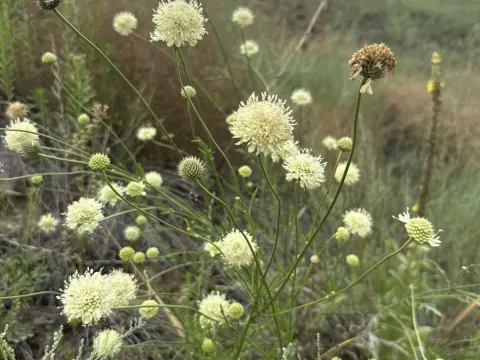
Ural scabious
Cephalaria uralensis
Ural scabious (Cephalaria uralensis), a member of the Caprifoliaceae family, is a perennial herbaceous plant that is typically sown in the spring. Sowing is best performed when soil temperatures reach 10-12 degrees Celsius, usually occurring in mid-April, which provides the necessary conditions for germination.
What the section contains
Ural scabious
For large-scale cultivation, a row-spacing method with intervals of 45-60 centimeters is recommended. This spacing ensures optimal development of both the root system and the vegetative mass, allowing each plant sufficient access to sunlight and nutrients for maximum productivity.
Seeds should be planted at a depth of 2-3 centimeters into well-prepared, fine-textured soil. Adequate soil moisture and contact are essential for uniform germination, and shallow planting prevents the exhaustion of the seedling's energy reserves before it reaches the surface.
The seeding rate varies based on seed quality and germination percentage, typically averaging 6-8 kilograms per hectare. Following sowing, rolling the field helps consolidate the soil, improving capillary water movement to the seeds and ensuring consistent emergence across the entire field.
During the first year, the plant invests energy into developing a strong basal leaf rosette. During this establishment phase, weed control is of paramount importance, as the young plants grow slowly and can easily be outcompeted by invasive weeds if the field is not managed properly.
Ural scabious is characterized by its high cold tolerance and adaptability to the harsh, continental climate conditions of the Ural and Siberian regions. It is well-suited to regions with significant temperature fluctuations, maintaining vitality through winter dormancy without requiring special protection.
The plant thrives in fertile loamy or chernozem soils with a neutral to slightly alkaline pH. It is highly sensitive to waterlogging and sites with high water tables, as excess moisture in the root zone during the winter and early spring can lead to rot and plant mortality.
As a sun-loving species, Ural scabious requires open and well-lit areas to flourish. Shade significantly reduces both vegetative biomass and the intensity of flowering, which is particularly critical for its use as a honey-producing crop or for seed production.
Nutrient requirements involve moderate applications of phosphorus and potassium fertilizers during soil preparation, which promote robust root development. Nitrogen should be applied judiciously to avoid excessive vegetative growth that may decrease the plant's resistance to environmental stress.
While the plant shows moderate drought resistance, consistent moisture during the active growth phase and budding is essential for high yields of green mass or seeds. Proper soil structure is vital, and deep tillage or regular aeration is recommended to maintain optimal soil physical conditions.
The biomass yield of Ural scabious is highly productive under proper management and favorable soil fertility. When managed as a forage crop, it can produce between 150 and 200 centners of green mass per hectare, offering high nutritional value for livestock.
As a nectar-rich species, Ural scabious is prized by beekeepers for its long flowering duration, which can extend up to 50 days. This provides a consistent food source for honey bees, with a potential honey yield reaching 100-150 kilograms per hectare in pure stands.
Seed production is an important aspect of cultivating this crop for distribution and planting. When agronomic requirements are strictly met, growers can achieve a yield of 3-5 centners of high-quality seeds per hectare, making it a viable and profitable commercial venture.
The perennial nature of the plant allows for multiple harvests from a single establishment for up to 5-7 years. This longevity reduces the overall cost of production as there is no need for annual tilling and sowing, providing stable returns on the initial investment.
The ultimate yield depends on timely agronomic interventions, including pest and disease control. A proactive approach to managing the health of the field ensures that the genetic potential of the crop is realized, resulting in consistent output throughout the lifespan of the plantation.
While Ural scabious is generally robust, it may be susceptible to powdery mildew in years with high humidity and cooler temperatures. This disease manifests as a white, dusty coating on the leaves, which can weaken the plant and reduce its forage or aesthetic quality.
Root rot is a major threat if soil drainage is compromised or if there is prolonged standing water in the spring. Preventive measures include selecting well-drained, elevated planting sites and ensuring adequate soil aeration through regular inter-row cultivation during the growing season.
Pests such as aphids and weevils can cause damage by feeding on young leaves, stems, and flower buds. This feeding activity can disrupt the plant’s normal development and lead to a significant reduction in seed yield if infestations are left unchecked.
Biological control methods are preferred, especially in areas where honey bees forage, to minimize the impact on essential pollinators. Chemical pesticides should only be utilized as a last resort and strictly according to integrated pest management principles to protect the ecosystem.
Regular field scouting is essential to identify the presence of pests or early signs of disease. By detecting issues early, producers can implement targeted control strategies that localize the threat, effectively preventing widespread damage and protecting the overall health of the crop.
Harvesting green mass for forage is best conducted at the onset of the flowering phase, when the plant has achieved the maximum concentration of nutrients in its stems and leaves. This timing ensures the best balance of forage quantity and quality for livestock consumption.
For seed harvesting, the process begins when approximately 70-80 percent of the flower heads have turned brown and the seeds have hardened. Since the seeds can shatter easily if left too long, timely harvest using properly adjusted combines is crucial to minimize losses.
After threshing, the seed material must be cleaned of impurities and dried until the moisture content is between 14 and 16 percent. These conditions are necessary to maintain the viability of the seeds during long-term storage in dry, well-ventilated warehouse environments.
Storage should be carried out in bags or specialized containers kept on pallets to allow for air circulation. Proper storage practices prevent the absorption of moisture and the growth of mold, which are the primary factors that decrease seed quality over time.
The efficiency of the harvest is directly tied to machinery settings and favorable weather conditions. Proper scheduling of harvest activities ensures that the product is collected at peak maturity, maximizing the return on the season's labor and resources.