
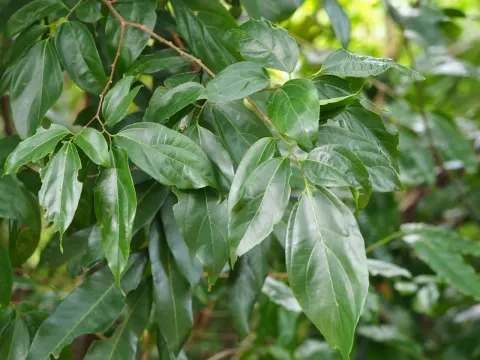
Celtis tetrandra
Celtis tetrandra
Celtis tetrandra, commonly known as a species of hackberry, belongs to the family Cannabaceae. This deciduous tree is native to the subtropical and tropical regions of Asia, predominantly found in mountainous forests and riverine environments where it plays a vital ecological role.
What the section contains
Celtis tetrandra
The species thrives in locations with ample sunlight, which is crucial for its development and canopy formation. It is highly adaptable to various soil types, ranging from nutrient-rich loams to more challenging rocky substrates, provided that the soil offers adequate internal drainage.
Botanically, Celtis tetrandra is characterized by a strong root system and a wide-spreading crown. The tree's bark is typically rough and develops interesting patterns as the plant matures, enhancing its visual appeal in landscape architecture and urban forestry projects.
Regarding cultivation, young specimens require consistent moisture during their establishment phase to build a robust root structure. Once established, the tree demonstrates notable drought tolerance, making it a reliable choice for regions where water resources might be limited during summer months.
Beyond its aesthetic and ecological value, the wood of Celtis tetrandra is highly regarded in manufacturing. It is durable, elastic, and easy to work with, finding applications in the production of furniture, construction materials, and various agricultural tools.
While generally hardy, Celtis tetrandra can be susceptible to root rot if grown in waterlogged or poorly drained soils. Ensuring proper soil aeration is the primary method to prevent these subterranean issues during the early stages of growth.
Pest pressures primarily involve foliage-feeding insects, which are usually managed by maintaining overall tree vigor and using integrated pest management strategies. Severe infestations are rare when the tree is provided with optimal growing space.
Fungal leaf spots can occur in humid, stagnant environments. To mitigate this risk, it is recommended to space trees appropriately, ensuring good airflow within the canopy to prevent the accumulation of moisture on the foliage.
Sanitation practices, such as removing fallen leaves and dead wood, help reduce the inoculum load of pathogens that could otherwise thrive in debris around the base of the tree.
Strategic use of biological control agents and localized application of pesticides should be prioritized over blanket treatments to preserve the ecological health of the plantation while protecting the long-term quality of the wood produced.