
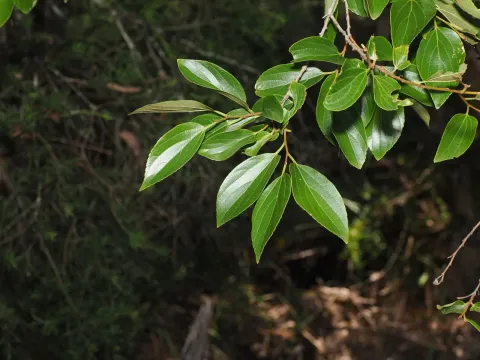
Celtis labilis
Celtis labilis
Propagation of Celtis labilis is typically achieved through seeds which require a period of cold stratification to break dormancy. Placing seeds in a moist medium at low temperatures for approximately three months significantly increases germination rates.
What the section contains
Celtis labilis
Sowing in open fields or nurseries should ideally occur in autumn or early spring. Seeds are planted at a depth of 2–3 centimeters into loose, fertile soil to ensure stability and proper moisture levels during the critical initial growth phase.
Vegetative propagation can be performed using semi-hardwood cuttings harvested during mid-summer. These cuttings require a humid environment, often provided by greenhouse conditions or plastic covers, to successfully develop a root system.
During the first few years, seedlings require consistent monitoring to prevent weed competition. Regular weeding and mulching around the base of the plant help retain soil moisture and provide nutrients necessary for steady development.
Transplanting is best conducted in early spring before the buds break. Careful handling of the root ball is essential to minimize transplant shock and ensure the young tree establishes itself in its new permanent location.
Celtis labilis, belonging to the Cannabaceae family, is a deciduous tree known for its adaptability in temperate mountain climates. It naturally thrives in areas where it can access moderate moisture and well-draining soil structures.
The species prefers nutrient-rich loam or sandy soils with a neutral pH. One of the most important factors for success is avoiding waterlogged sites, as this species is susceptible to root rot in anaerobic soil conditions.
As a light-demanding species, Celtis labilis requires full sun to partial shade for optimal growth. Providing sufficient light exposure ensures a strong, balanced crown structure and promotes efficient photosynthesis throughout the growing season.
The tree exhibits moderate cold tolerance, though young specimens benefit from protective mulching during the first few winters. Once established, the root system is robust enough to withstand typical fluctuations in local temperature.
Proper agronomic management involves periodic application of compost or organic fertilizers to maintain soil fertility. Although the species is relatively drought-tolerant once mature, supplemental irrigation during extreme dry spells improves vigor.
Fungal infections such as powdery mildew represent a primary threat, particularly in environments with poor air circulation or excessive humidity. Maintaining proper spacing between trees is a key strategy for disease prevention.
Aphid infestations are a common issue for young trees. These pests congregate on fresh shoots and leaves, hindering growth; they can be effectively managed with systemic insecticides or natural predators like ladybugs.
Scale insects can be difficult to detect and may weaken the tree by feeding on phloem sap. Regular inspections of bark and branches are necessary to identify early symptoms and apply targeted treatments before the infestation spreads.
Root rot is largely associated with improper irrigation practices. Ensuring that the soil has adequate drainage is the most effective way to prevent these soil-borne pathogens from compromising the tree's health.
Sanitary pruning is essential for disease management. By promptly removing dead or diseased wood, the grower reduces the risk of fungal spread and helps the tree maintain a healthy, open architecture that resists infections.