
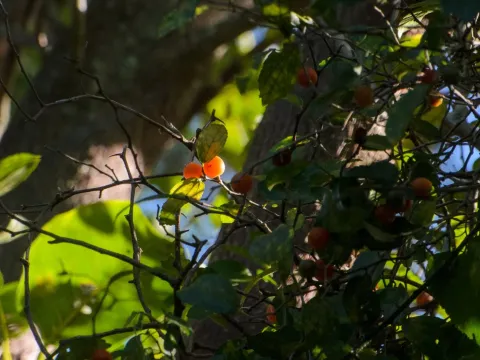
Celtis spinosa
Celtis spinosa
Celtis spinosa is a hardy woody species belonging to the Cannabaceae family. It is recognized for its significant drought tolerance and adaptability to diverse, often harsh, environmental conditions in its native South American habitats.
What the section contains
Celtis spinosa
The species naturally occurs in regions of Argentina, Uruguay, and Brazil. It is typically found in scrublands and forest margins where it plays a key role in the local ecosystem by providing shelter and food for birds.
Botanically, the plant is distinguished by its spiny branches, which serve as a natural defense mechanism. The leaves are generally rough in texture and are arranged alternately along the stem, characteristic of the genus Celtis.
Regarding cultivation, the plant requires full sun exposure for optimal growth. It thrives in well-drained soils and is particularly valued for its ability to withstand low-nutrient substrates where other species might fail.
In terms of хозяйство (land use), Celtis spinosa is frequently utilized for creating dense, impenetrable hedges and as an effective component for soil stabilization and erosion control projects.
The primary threats to Celtis spinosa include fungal infections that manifest when the plant is kept in waterlogged conditions, leading to root rot and systemic health deterioration.
Leaf-feeding insects are common pests during the warmer months, potentially causing defoliation if infestation levels are high and left unmonitored by the grower.
Powdery mildew represents a significant risk in humid climates, especially when trees are planted too densely, which inhibits air circulation and promotes spore growth.
Sap-sucking insects like aphids may target tender new growth during the spring, which can stress young trees and hinder their initial establishment and development.
Regular monitoring and integrated pest management are crucial, including the removal of dead or decaying branches to ensure the structural integrity and long-term vitality of the specimens.