
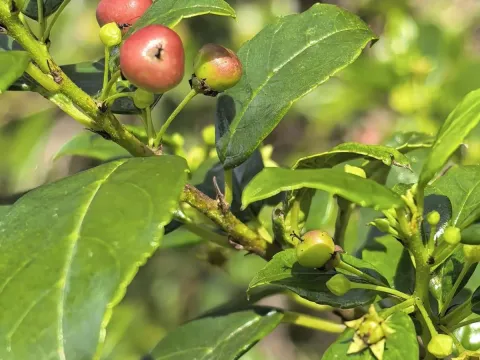
Celtis rhamnifolia
Celtis rhamnifolia
Seeds of Celtis rhamnifolia are typically sown in nurseries during the autumn season, allowing for natural stratification to occur within the soil over the winter months.
What the section contains
Celtis rhamnifolia
If sowing is delayed until spring, the seeds require a cold stratification period of two to three months at temperatures between 1 and 5 degrees Celsius to trigger germination.
The recommended sowing depth is 2 to 3 centimeters, which provides the seed with sufficient coverage to establish a strong root system during early development.
Consistent soil moisture is essential during the germination phase to ensure a high success rate, particularly when dealing with stored seeds that may have dried out.
Proper weed management is critical in the early stages, as young seedlings of Celtis rhamnifolia are sensitive to competition for nutrients and space in the seedbed.
Celtis rhamnifolia is known for its remarkable drought tolerance, making it an excellent choice for reforestation projects in arid or semi-arid regions.
The species thrives in well-drained, fertile soils but displays significant adaptability, successfully growing in rocky or alkaline soil conditions where other trees fail.
Full sun exposure is a primary requirement for this species, as it directly influences the density of the crown and the overall health of the tree.
As a member of the Cannabaceae family, this tree exhibits high resilience to air pollution, which is a major advantage for urban landscaping and highway planting.
While the tree is generally cold-hardy, younger specimens should be protected from harsh winds and extreme temperature fluctuations until they are fully established.
The economic value of Celtis rhamnifolia is largely tied to its role in sustainable forestry and the production of dense, high-quality timber used in various industries.
The wood is highly valued for its toughness and flexibility, often being utilized in the manufacturing of sports equipment and specialized wooden handles.
Beyond its timber, the tree serves as a vital component in environmental restoration, helping to stabilize soils and prevent erosion on degraded land sites.
The fruit of the tree provides a reliable food source for local bird populations, thereby enhancing the biodiversity of the surrounding agricultural ecosystem.
It also functions as a highly effective windbreak, protecting sensitive crops in adjacent fields from excessive wind exposure and reducing evaporation rates.
Although generally robust, Celtis rhamnifolia can be susceptible to powdery mildew, particularly when grown in areas with poor ventilation or stagnant high humidity.
Pests such as aphids and various leaf-eating beetles may occasionally target the foliage, requiring integrated pest management strategies to maintain plant vigor.
Mechanical damage to the bark can create entry points for pathogens; therefore, pruning activities should be handled with care to avoid unnecessary wounding.
Regular monitoring for early signs of infestation allows for targeted applications of organic or chemical treatments, preventing more severe outbreaks.
Maintaining optimal tree health through balanced nutrition and proper spacing significantly reduces the tree's vulnerability to secondary disease and pest attacks.
The harvesting of seeds for propagation should occur when the fruits are fully mature, typically indicated by a shift in color and texture in late summer.
Following harvest, seeds are extracted from the pulp and cleaned, then stored in a cool, dry environment to maintain viability before the next planting cycle.
Timber harvesting for industrial use is best performed during the dormant winter season to ensure the wood has optimal moisture content and durability.
When preparing saplings for transport or sale, ensuring the root ball remains intact and well-hydrated is crucial for the survival of the tree after transplantation.
All harvesting operations should follow sustainable practices to protect the long-term productivity and structural integrity of the individual trees and their stands.