
Celtis mildbraedii
Celtis mildbraedii
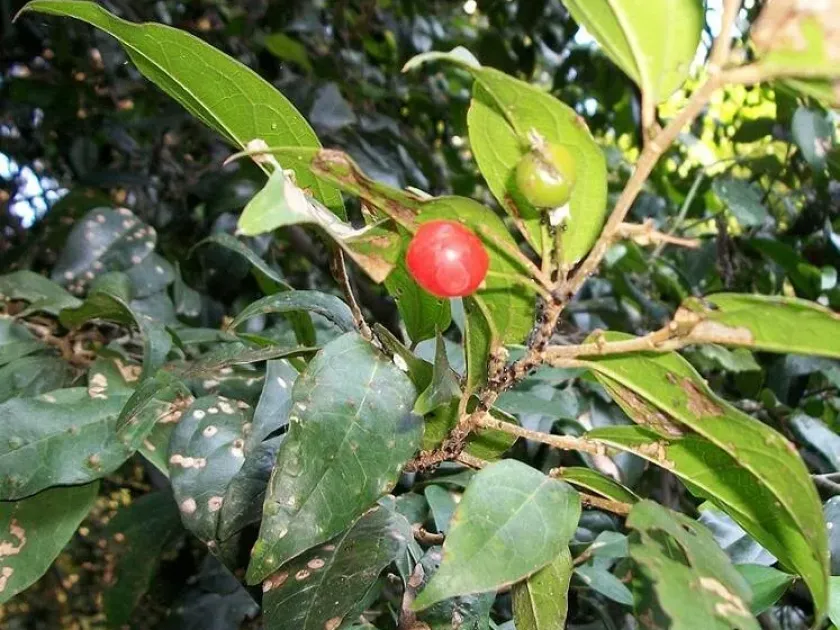
Description
Growing requirements
Celtis mildbraedii, a member of the Cannabaceae family, is a large, evergreen tree species native to the tropical forests of West and Central Africa. It typically thrives in high-canopy environments, where it can reach significant heights, providing essential structure to the forest ecosystem.
The species naturally occurs in regions with high annual rainfall and consistent, warm temperatures throughout the year. It is most commonly found in wet, evergreen forests and semi-deciduous formations, where it integrates into the dense vegetation profile of the tropical landscape.
Soil requirements for this tree involve deep, fertile, and well-drained substrates. While it can adapt to various forest soil types, it performs best in soils rich in organic matter that allow for expansive root development without the risk of waterlogging or anaerobic conditions.
The climate must be tropical, characterized by the absence of frost and minimal seasonal variation. Humidity is a critical factor for the tree's health, as it relies on ambient moisture to maintain active metabolic processes and sustained growth throughout its life cycle.
Agrotechnical management in plantation or agroforestry settings focuses on protecting young saplings from shading and invasive competition. Proper spacing and site selection are essential to ensure the tree develops a straight trunk, which is highly valued for its timber potential.
Harvesting
The primary economic utility of Celtis mildbraedii is its timber, often marketed as a variety of "white stinkwood" or "celtis." The wood is prized for its moderate density, fine texture, and good working properties, making it suitable for furniture production and carpentry.
Sustainable harvesting techniques, such as selective logging, are crucial for the long-term viability of the species. By removing only mature, selected individuals, foresters can ensure that the ecological niche of the tree is maintained and that younger generations continue to mature.
Beyond timber, the tree serves as a vital component in local biodiversity, producing fruits that attract numerous species of birds and mammals. This ecological function makes it an important plant for forest restoration projects and conservation of local fauna.
Processing the harvested timber requires careful drying to maintain structural integrity. The use of specialized kilns or controlled air-drying in shaded, ventilated areas is recommended to prevent warping and ensure the high quality of the lumber for commercial use.
The continued study of Celtis mildbraedii remains important for refining its cultivation methods. As a robust native species, it offers significant potential for sustainable timber production while simultaneously contributing to the reforestation and health of degraded tropical landscapes.