
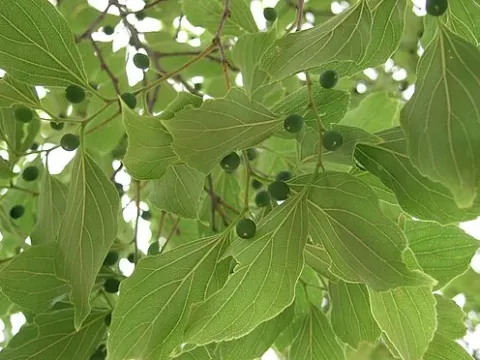
Celtis rigescens
Celtis rigescens
Sowing seeds of Celtis rigescens in nurseries is typically performed in the autumn season or early spring following a stratification process. Natural cooling of the seeds in the soil helps break seed dormancy, significantly improving the germination rate of the future trees.
What the section contains
Celtis rigescens
For forestry applications, it is preferable to use one or two-year-old saplings that have been grown in specialized containers. This method ensures better root system establishment when transplanted into permanent field locations or windbreak configurations.
During spring sowing, it is crucial to ensure consistent irrigation to prevent the topsoil from drying out. Seeds should be buried at a depth of 3 to 5 centimeters, which is ideal for the sprouts to emerge successfully and begin their growth cycle.
Adhering to proper planting spacing is a critical factor, given that this plant is a relatively large tree. In commercial forestry, it is recommended to maintain wide intervals between rows to ensure optimal light penetration for every individual tree crown.
The preparation of the substrate prior to sowing plays a decisive role in early seedling development. The soil must be loose, well-aerated, and free from weeds, which can inhibit the growth of the hackberry during the initial, most vulnerable stages of development.
Celtis rigescens is a woody plant belonging to the Cannabaceae family, distinguished by its high adaptability to various ecological conditions. The genus Celtis includes species capable of growing in regions with temperate climates where distinct seasonal temperature changes occur.
The crop prefers well-drained, fertile loamy soils but shows remarkable tolerance to stony and rocky terrains. In its native habitat, the plant is often found on hillsides, which indicates a high degree of resilience to periodic droughts and limited water availability.
Light exposure is a primary requirement for the healthy development of the tree canopy. The species is light-loving, and excessive shading can significantly slow growth rates and reduce wood density; therefore, it is best planted in open, sun-exposed areas.
The climatic hardiness of the species allows it to be used in urban landscaping and silviculture in regions with moderate humidity. While Celtis rigescens possesses inherent winter hardiness, young shoots may still suffer damage from severe frosts in particularly harsh winters.
Mineral nutrition should be balanced, with a focus on strengthening the root system during the establishment phase. The application of organic fertilizers in the first years of the tree's life helps reinforce the trunk and increases the plant's resistance to environmental stressors.
Among the primary health threats for Celtis rigescens are fungal diseases, such as powdery mildew, which often occurs in conditions of high humidity and overcrowded planting patterns. These pathogens can cause leaf deformation and premature shedding, weakening the tree.
Pests that target members of the Celtis genus include sucking insects such as aphids and various types of psyllids. These parasites feed on the sap of young shoots, potentially causing the formation of galls and slowing down the overall photosynthetic efficiency of the canopy.
Improper irrigation management leading to waterlogging in the root zone can provoke root rot. The root system of the hackberry is sensitive to excess moisture, making the installation of a high-quality drainage system a vital preventive measure against various root-related diseases.
Wildlife can also cause damage to young saplings by gnawing the bark or destroying terminal buds. Using protective netting or fencing around young plantations is a standard agricultural practice to ensure the integrity of the trunks and promote correct structural formation.
Timely sanitary pruning plays a crucial role in controlling diseases and pests. Removing damaged, dry, or infected branches helps lower the infectious load and improves air circulation within the crown, effectively preventing the spread of harmful organisms throughout the plantation.