
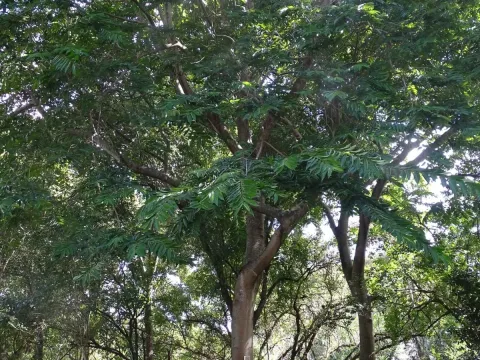
Celtis gomphophylla
Celtis gomphophylla
Celtis gomphophylla, a member of the Cannabaceae family, is a significant tree species native to the tropical forests of Africa. It is recognized for its robust growth and the high quality of timber it produces, making it a subject of interest in both forestry and restoration ecology.
What the section contains
Celtis gomphophylla
The climate requirements for this species are strictly tropical or subtropical, characterized by consistently high humidity and warm temperatures throughout the year. It thrives in environments where seasonal rainfall ensures sufficient soil moisture without causing prolonged waterlogging of the root zone.
When selecting sites for cultivation, deep and fertile soils are preferred to accommodate the extensive root system of the tree. Proper soil aeration is critical for healthy development, and the species shows optimal performance when planted in areas with excellent natural drainage.
Agronomic management involves periodic thinning and nutrient supplementation during the juvenile stage to foster straight trunk development. This approach ensures maximum yield efficiency and timber quality as the trees mature within the plantation environment.
The primary economic use of Celtis gomphophylla is in the timber industry, where its dense wood is valued for various structural applications. Furthermore, the tree provides essential ecosystem services by contributing to biodiversity and supporting local fauna through its fruit production.
The main threats to the health of these plantations include fungal pathogens that target the vascular system and wood-boring insects that compromise the structural integrity of the timber. Integrated pest management strategies, focusing on site sanitation and monitoring, are essential for ensuring crop vitality.