
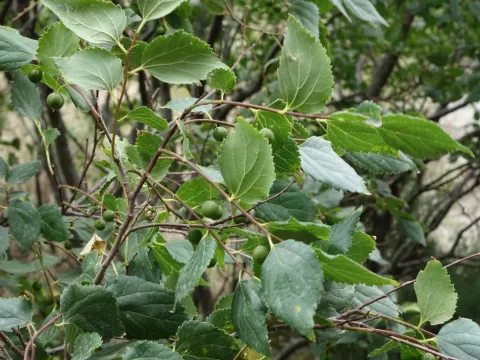
Celtis glabrata
Celtis glabrata
Celtis glabrata, commonly known as a type of hackberry, is a deciduous tree or large shrub belonging to the Cannabaceae family. It is recognized for its remarkable resilience and ability to thrive in challenging environments.
What the section contains
Celtis glabrata
The native distribution of this species spans from the Balkans through the Caucasus to Western Asia. It typically inhabits rocky slopes and limestone outcrops, which has endowed it with excellent drought resistance and adaptability to nutrient-poor soils.
Optimal growth requires full sun exposure and well-drained soil conditions. The species prefers neutral to alkaline soils and exhibits a low tolerance for waterlogged areas, making proper site selection crucial for its development.
Cultivation practices are minimal, as the tree is remarkably self-sufficient once established. Its deep root system allows it to access groundwater, making it an excellent candidate for xeriscaping and sustainable urban forestry.
Botanically, it is characterized by its slow growth rate and stiff, grayish-brown branches. Its structural strength makes it a valuable asset for windbreaks and soil stabilization in arid or semi-arid regions.
Celtis glabrata possesses a robust natural immunity against most common plant diseases. The primary concern is the prevention of root pathogens that can occur due to excessive soil moisture or poor drainage systems.
Pests such as aphids or leaf-feeding insects may occur sporadically, especially during periods of extreme environmental stress. However, these infestations are typically minor and do not require heavy chemical interventions.
To ensure tree health, gardeners should focus on maintaining structural integrity through proper pruning. Removing dead or diseased branches helps improve air circulation within the canopy, reducing the risk of fungal growth.
Environmental stressors like prolonged ice storms or deep winter freezes can occasionally affect the younger, more tender shoots. Protecting the tree during its initial years in the ground is advisable for regions with harsh winters.
Monitoring the soil environment is the best form of preventative care. Avoiding excessive fertilizers and heavy pesticides helps maintain a healthy balance in the rhizosphere, supporting the tree's natural resistance.