
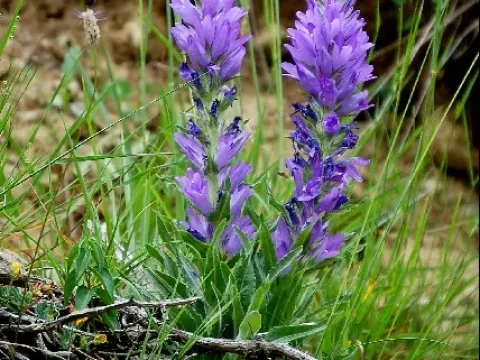
Campanula stenocodon
Campanula stenocodon
Campanula stenocodon is a perennial herbaceous plant belonging to the Campanulaceae family. It is a distinctive species native to high-altitude mountain regions, where it thrives in rocky terrain and alpine meadows.
What the section contains
Campanula stenocodon
The botanical structure of this plant features narrow, bell-shaped flowers that hang gracefully from slender stems. Its basal leaves are typically lanceolate, forming a compact rosette that remains close to the ground, reflecting its adaptation to windy mountain climates.
Cultivation requires conditions that mimic its natural habitat: well-drained, slightly gritty soil with a neutral pH. It is an excellent choice for rock gardens or troughs where moisture can be controlled effectively to prevent root rot.
Regarding climate, the plant prefers cooler environments and does not tolerate extreme heat or high humidity well. Exposure to full sun is beneficial in cool regions, while light afternoon shade may be necessary in warmer zones to prevent scorching.
Maintenance is minimal, focusing on providing occasional irrigation during dry spells and ensuring the plant has adequate ventilation. Since it is adapted to nutrient-poor soils, heavy fertilization is rarely necessary and can often prove detrimental to the plant's health.
Common plant diseases include root rot and crown rot, which occur predominantly in poorly draining soils. To mitigate these risks, it is essential to ensure the soil structure allows for rapid water percolation after rainfall.
Slugs and snails are the primary pests that damage the foliage and delicate stems of the plant. Their presence is more noticeable during wet seasons or in gardens with excessive mulch that retains high humidity near the plant base.
Aphids may infest the flower buds during periods of stress, leading to stunted growth. Regular monitoring of the flower heads allows for early intervention, often manageable through gentle washing with water or specialized insecticidal soaps.
Effective prevention strategies include keeping the soil surface around the plant clear of debris and excessive organic matter. This practice limits the habitat available for pests and improves air circulation, which reduces fungal spore germination.
In conclusion, the plant remains largely robust if grown in suitable conditions. Providing a stable environment with proper drainage and monitoring for seasonal pests will ensure the plant remains a striking feature in an alpine-style garden.