
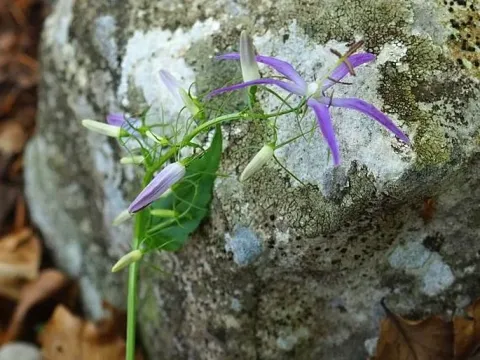
Campanula trichocalycina
Campanula trichocalycina
Sowing seeds of Campanula trichocalycina is typically performed in the spring once soil temperatures have consistently risen. Fall sowing is also an option, allowing seeds to undergo natural stratification in the open ground during the winter months.
What the section contains
Campanula trichocalycina
For container-based cultivation, seeds should be sown in March or April. Given the small size of the seeds, they should be surface-sown and pressed lightly into the substrate, leaving them exposed to light, which is crucial for successful germination.
Maintaining consistent moisture is vital during the germination phase. Once seedlings emerge, it is recommended to move the containers to a bright, cooler environment to prevent leggy growth, which can compromise the structural integrity of the plant.
Pricking out the seedlings should be done after the first few true leaves have appeared. Before transplanting into the garden, seedlings must be hardened off gradually to acclimatize them to external temperatures and direct sunlight conditions.
Transplanting into the permanent garden site occurs in late May after the risk of late frosts has passed. Adequate spacing between plants should be maintained to ensure proper airflow, reducing the risk of humidity-related foliage diseases.
Campanula trichocalycina thrives in well-lit areas, although it can tolerate partial shade during the heat of the day. Excessive direct sun exposure may lead to petal fading, necessitating a balanced site selection during the planting phase.
This species requires fertile, loose, and well-drained soil. A neutral to slightly alkaline pH is optimal for supporting the plant's root development and ensuring a vibrant and prolonged blooming season throughout the summer.
Regular but moderate watering is necessary to support the plant's metabolism. Waterlogging must be avoided, as stagnant water is detrimental to the crown of the plant, often leading to rapid root decay if drainage is insufficient.
Fertilization with organic matter or low-nitrogen mineral complexes during the active growing season promotes strong floral spikes. Careful monitoring of nutrient levels helps maintain the plant's health and increases its resistance to environmental stress.
The plant exhibits good winter hardiness. However, in regions prone to severe winters with little snowfall, applying a layer of organic mulch around the root zone is highly recommended to protect the root system from freezing damage.
The primary threats to this plant are fungal pathogens that flourish in humid conditions. Powdery mildew commonly affects the foliage, particularly when plants are grown in dense clusters that lack sufficient airflow for natural drying.
Root rot is a significant danger associated with improper irrigation practices. Maintaining proper drainage and avoiding excessive surface wetness are essential preventative measures against soil-borne pathogens that target the root systems.
Slugs and snails are the most frequent pests, posing a significant risk to young leaves and stems, especially during damp weather. Using barriers, manual collection, or targeted bait traps can help minimize the damage to the foliage.
Aphids can colonize developing buds and stems, draining the plant of vital nutrients. Regular visual inspections combined with the application of appropriate insecticides can effectively control infestations before they cause irreversible damage.
Nematode infestations require strict adherence to sanitation protocols. Removing debris and weeds after the growing season and avoiding the repetition of host crops in the same spot are key strategies for long-term pest management.