
Campanula speciosa
Campanula speciosa
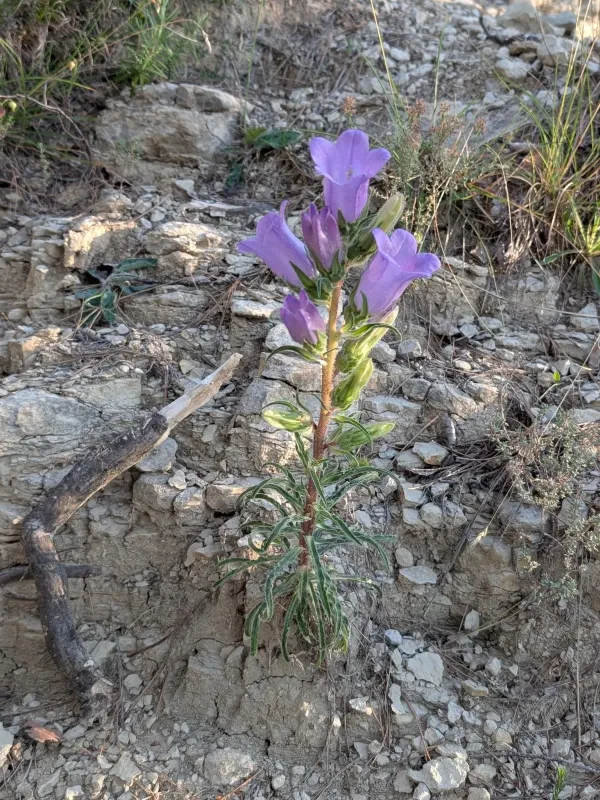
Description
Sowing dates
Sowing Campanula speciosa seeds is typically performed in late spring once the danger of frost has passed or via late autumn sowing for natural stratification.
When starting indoors, seeds are sown in trays during March or April; it is crucial not to cover the seeds with soil as they require light to germinate.
Germination requires a consistent temperature between 18 and 20 degrees Celsius and must be maintained under constant but moderate humidity conditions.
Pricking out the seedlings occurs when the first two true leaves appear, providing enough space for the developing root system to mature correctly.
Transplanting into the permanent garden site should be done when the plant has 4 to 6 true leaves, maintaining an optimal spacing of 25–40 centimeters.
Growing requirements
Belonging to the Campanulaceae family, this species thrives in sunny to light-shaded environments with well-drained, fertile soil compositions.
The ideal soil should be loam-based with a neutral or slightly alkaline pH to ensure the proper uptake of macro- and micronutrients for vigorous growth.
Good drainage is the most critical requirement, as standing water in the root zone quickly causes rot and leads to the decline of the plant specimen.
Regular watering is necessary during the active growing season, especially during hot spells, but it should be done carefully to avoid leaf saturation.
Fertilization with balanced mineral fertilizers should be applied twice: early spring for vegetative growth and pre-flowering for enhanced bloom quality.
Main diseases and pests
The most significant threats to this culture are fungal diseases like root rot and powdery mildew, which thrive in humid or poorly ventilated planting zones.
Aphids and spittlebugs represent the most common insect pests, feeding on cell sap and causing structural damage to leaves and flower stalks.
Slugs and snails often feed on young, tender foliage, requiring the use of protective barriers or manual control to maintain the plant's aesthetic value.
Prevention of these threats relies heavily on maintaining proper plant spacing and ensuring adequate soil drainage to keep humidity levels under control.
In case of severe infestations, systemic insecticides or fungicides should be applied in strict accordance with the recommended dosage and safety protocols.
Harvesting
Campanula speciosa is primarily utilized as a high-value ornamental crop for landscape design, rock gardens, and border plant collections worldwide.
For floral arrangements, stems should be harvested when the flower buds are just beginning to open to ensure maximum vase life and petal integrity.
Seed harvesting is conducted when the seed capsules turn brown and begin to open, which typically happens at the end of the summer growing season.
Regular deadheading of spent blossoms is encouraged to improve the plant's appearance and stimulate a secondary wave of flowering during late summer.
At the end of the cycle, the above-ground portion of the plant is cut back to the base, providing better winter dormancy and protecting the roots.