
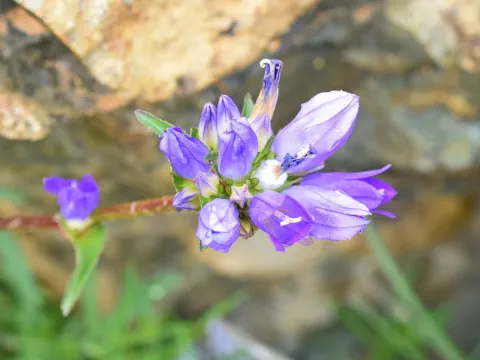
Campanula tymphaea
Campanula tymphaea
Campanula tymphaea is a perennial herbaceous plant belonging to the Campanulaceae family, native to the rugged mountainous areas of the Balkans. It is valued in horticulture for its resilience and unique aesthetic appeal, mirroring its natural wild habitats.
What the section contains
Campanula tymphaea
Propagation is typically achieved through seeds, which require a cold stratification period of several weeks to break dormancy. This process mimics the natural winter conditions the seeds would undergo in their native mountain environment.
Seeds should be sown in a high-quality, free-draining seed-starting mix. They should be pressed lightly into the surface rather than buried, as they require light to germinate effectively within the first few weeks.
Seedlings need to be kept at a moderate temperature with consistent humidity. Using a translucent cover can help maintain a stable microclimate, provided that adequate ventilation is allowed to prevent the development of damping-off fungi.
Once seedlings have developed two sets of true leaves, they can be transplanted into individual pots or a nursery bed. This allows the root system to strengthen before the plants are moved to their permanent outdoor location.
This species thrives in sunny to light shade conditions. When cultivated in regions with high summer temperatures, partial shade during the hottest part of the day is recommended to prevent heat stress and leaf scorching.
Well-draining soil is essential for the health of Campanula tymphaea. It performs best in rocky, alkaline, or neutral soils that prevent moisture from accumulating around the crown, which could otherwise lead to root rot.
Watering must be measured and consistent. During the growing season, keep the soil moist but never waterlogged. Always aim to water the base of the plant to keep the foliage dry, reducing the risk of fungal leaf diseases.
Fertilization should be handled with care. A balanced, low-nitrogen slow-release fertilizer applied in early spring helps support flower production. Excessive nitrogen can lead to lush green growth at the expense of floral display.
In colder climates, applying a layer of organic mulch around the base of the plant in late autumn can provide necessary insulation for the roots, ensuring the plant survives the winter months without damage.
Root rot is the most significant threat to this plant, usually caused by improper soil composition or overwatering. Maintaining good drainage is the most effective preventative measure against this physiological and pathological issue.
Powdery mildew can affect the leaves during periods of high humidity and low air circulation. Proper spacing between plants is crucial to ensure good airflow and minimize the development of these fungal conditions.
Pests such as slugs and snails are highly attracted to the tender foliage of Campanula species. Physical barriers like crushed eggshells or copper tape can be used to protect the plants during the spring growth phase.
Aphids might cluster on the flower buds or soft stem tips. In most cases, these can be managed by washing the plants with a gentle jet of water or using biological control methods rather than harsh chemical sprays.
Regular maintenance, including the removal of spent flowers and dead foliage, helps keep the plant healthy and prevents the build-up of debris where pests or diseases could harbor throughout the growing season.