
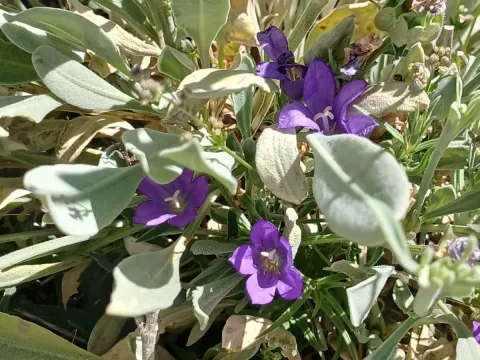
Campanula stricta
Campanula stricta
Propagation of Campanula stricta is primarily carried out through seeds, which are sown in early spring either in controlled greenhouse environments or directly into the soil once the ground warms sufficiently.
What the section contains
Campanula stricta
The seeds are exceptionally fine and require surface sowing, as they need exposure to light to trigger germination; therefore, they should be lightly pressed into the soil without deep coverage.
Seedlings usually emerge within two to three weeks, provided that the ambient temperature remains steady between 15 and 20 degrees Celsius and the substrate is kept consistently moist but not saturated.
Transplanting seedlings to their final location is recommended after the danger of frost has passed, ensuring each plant has enough space for vigorous growth and effective root establishment.
Spacing should be carefully managed during the sowing and planting phases to minimize competition for nutrients and to facilitate optimal airflow, which is vital for the plant's overall health and vigor.
As a member of the Campanulaceae family, this species thrives in well-drained, fertile soil that balances moisture retention with efficient drainage to prevent any risk of root rot during wet weather.
The plant demonstrates a preference for locations with full sun to light partial shade, where it can develop sturdy stems and produce a high volume of its characteristic bell-shaped flowers.
Proper soil pH is essential for nutrient uptake; thus, maintaining a neutral to slightly alkaline soil environment is ideal for maximizing the growth rate and structural integrity of the plants.
Routine moisture management is key to successful cultivation, as consistent hydration during the flowering season significantly extends the bloom period and improves the overall quality of the blossoms.
Fertilization with a balanced, slow-release NPK mix during the early spring provides the necessary nutrients for sustained growth throughout the peak blooming season of the plant.
Common issues encountered during cultivation include fungal infections like powdery mildew, which thrive in humid conditions where air circulation is restricted or planting density is too high.
Root rot is another significant concern that usually stems from poor drainage or excessive irrigation, necessitating careful water management and the use of sandy, porous soil amendments.
In terms of insect pests, aphids often target the soft, succulent growth of the plant, potentially causing stunting and transmission of viral diseases if not addressed with appropriate interventions.
Slugs and snails can also pose a serious threat to juvenile plants, requiring the use of physical barriers or targeted molluscicides to protect the young foliage during the early stages of development.
Integrated pest management strategies, such as regular scouting and the encouragement of beneficial predator insects, provide the best long-term protection against the major threats to this bellflower species.