
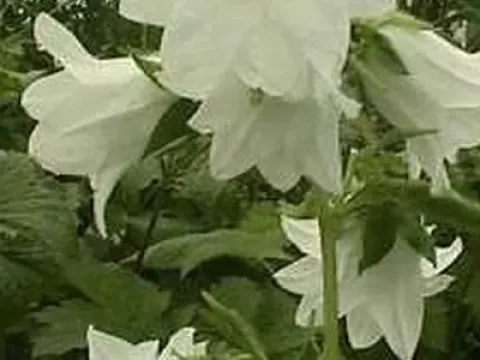
Campanula grandis
Campanula grandis
Sowing Campanula grandis seeds is best performed in early spring once the soil begins to warm up. For professional nursery results, starting seeds in seed trays under controlled conditions in late winter ensures a stronger root system before transplanting outdoors.
What the section contains
Campanula grandis
As the seeds are extremely small, they should be surface-sown on a fine, moist potting mix without being covered by soil. Light is essential for germination, so keeping the seed trays in a bright location while maintaining high humidity is crucial for success.
Pricking out the seedlings into individual pots is necessary once the first true leaves emerge. This step promotes better air circulation and prevents overcrowding, which is a common cause of damping-off disease in young seedlings during the early stages of development.
Vegetative propagation via division is another reliable technique for this species. Dividing mature clumps every few years not only provides new plants but also rejuvenates the parent plant, ensuring consistent vigor and flower production in the following seasons.
When transplanting into the garden, provide ample spacing, usually around 30 to 40 centimeters, to allow for optimal airflow. Proper spacing at the time of planting is a fundamental requirement to prevent fungal issues as the plant matures during the summer months.
Campanula grandis thrives in fertile, well-draining soils with a neutral to slightly alkaline pH. If the soil is overly dense or clay-heavy, incorporating organic matter such as compost or peat can significantly improve the physical structure and nutrient availability.
The plant prefers a location that receives full sun to partial shade. In regions with intense summer heat, afternoon shade is highly beneficial to prevent the flower heads from wilting and to preserve the intensity of their vibrant color throughout the season.
Moisture management is key; the soil should remain consistently moist but never waterlogged. Installing a good drainage system or planting on slightly elevated beds can help prevent the risk of root rot, especially in areas with frequent rainfall.
Applying a balanced, slow-release fertilizer in early spring supports healthy foliage growth. Supplementing with a potassium-rich feed just before the flower buds begin to open can significantly enhance the quantity and size of the blooms.
Winter care involves applying a layer of organic mulch around the root zone, particularly in colder climates. This protective layer acts as an insulator, shielding the crown of the plant from extreme temperature fluctuations and frost damage during the dormant season.
Powdery mildew is the most common fungal disease affecting Campanula grandis, typically appearing as a white, dusty layer on the leaves. Improved air circulation and avoiding overhead watering are effective preventive measures against this condition.
Root rot caused by poor soil drainage can be lethal to the plant. If the plant shows signs of sudden wilting despite adequate moisture, inspection of the roots is necessary, followed by adjustments to the irrigation regime and the application of fungicides.
Slugs and snails are frequent pests, particularly in wet spring weather. These mollusks can quickly destroy young growth, necessitating the use of physical barriers or targeted control measures to protect the integrity of the plant during its vulnerable growth stage.
Aphids may occasionally attack the tender shoots and buds, feeding on the plant sap. For minor infestations, a strong blast of water or a mild insecticidal soap solution is usually sufficient to manage the pest population without damaging the delicate blooms.
Maintaining a clean garden environment by removing weed competition and dead plant material is vital. A healthy, well-maintained plant is significantly more resistant to stress and the subsequent onset of common horticultural diseases.
Campanula grandis is primarily utilized for its aesthetic value in ornamental gardening and landscape design. It serves as an excellent candidate for borders, cottage-style gardens, and as a colorful addition to mixed perennial beds in various climates.
For cut flower production, stems should be harvested when the majority of buds on the stalk are just beginning to open. Cutting early in the morning, when the plant's turgor pressure is at its peak, ensures a much longer vase life for the bouquet.
In professional floristry, Campanula stems are appreciated for their graceful habit and longevity. Ensuring the stems are cut cleanly and placed immediately into clean water helps maintain their structural integrity and keeps the blooms vibrant for an extended period.
Deadheading spent flowers is a recommended practice to improve the plant's appearance and prevent self-seeding. By removing faded blooms, the plant is encouraged to invest its energy into root growth rather than seed production, potentially leading to a more vigorous perennial.
The species is also frequently grown in nurseries as a container plant. This allows for easy transport and display, making it a highly marketable item for garden centers during its peak flowering window, providing continuous interest for consumers.