
Hippobroma
Hippobroma
Hippobroma, particularly the species Hippobroma longiflora, is a herbaceous plant belonging to the Campanulaceae family. Native to the tropical regions of the Americas and the West Indies, it is primarily grown for its decorative value.
What the section contains
Hippobroma
The plant thrives in moist, shaded environments, often found near riverbanks and in damp forest floors. It requires consistent soil moisture and high ambient humidity to remain healthy, making it a challenging plant for dry or arid climates.
Ideal soil for cultivation is fertile, loose, and well-drained, with a slightly acidic to neutral pH. Because it is a tropical plant, it must be protected from frost and requires a stable, warm temperature range throughout the year.
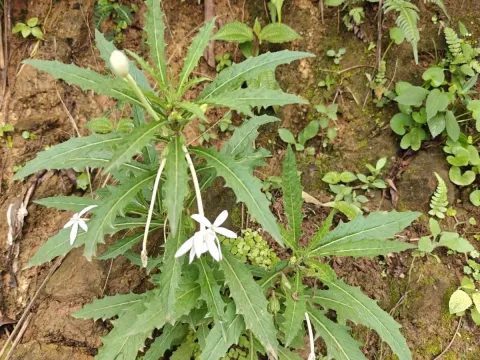
Botanically, Hippobroma is characterized by its distinct tubular white flowers and serrated leaves arranged in a rosette. It typically reaches heights of 30 to 40 centimeters, making it suitable for container gardens in warm climates or specialized greenhouse settings.
The species is rarely used in commercial agriculture due to its high toxicity. It contains the alkaloid lobeline, which is poisonous to both humans and animals, necessitating caution in choosing planting locations.
Fungal diseases are the primary threat to the plant, especially if the soil becomes waterlogged or aeration is poor. Root rot is a common issue that can lead to rapid plant decline if drainage systems fail.
Pests such as spider mites and aphids can infest the foliage, particularly in environments with low air circulation or insufficient humidity. Standard horticultural management includes careful monitoring and the application of pest control measures when necessary.
Due to the presence of potent toxins in the sap, gardeners must always wear protective gloves when pruning or handling the plant. Accidental exposure to eyes or broken skin can cause significant irritation and adverse health effects.
Preventative care against disease involves keeping the surrounding area clear of debris and ensuring that irrigation methods avoid wetting the leaves excessively, which helps inhibit the spread of common fungal spores.
While the plant's toxicity acts as a natural deterrent against many generalist insects, slugs can occasionally damage young seedlings in outdoor environments, requiring simple mechanical barriers for protection.