
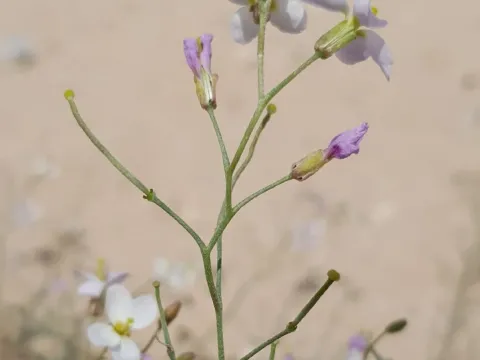
Ammosperma
Ammosperma
Ammosperma is a genus of flowering plants belonging to the Asteraceae family. These plants are scientifically classified as psammophytes, meaning they are specifically adapted to thrive in sandy habitats, such as dunes and sandy deserts.
What the section contains

Ammosperma
The native distribution of Ammosperma is primarily centered in Northern Africa and parts of the Mediterranean basin. These plants have evolved mechanisms to survive in harsh, arid environments with limited water availability and extreme temperature fluctuations.
When cultivating Ammosperma, solar exposure is the primary requirement. As a heliophilous species, it demands full sun throughout the day to initiate blooming and ensure the accumulation of biomass required for seed maturation.
Soil quality for this genus must prioritize drainage above all else. The root systems are highly sensitive to hypoxia; therefore, deep sandy or loamy-sand soils with low water retention capacities are considered the most appropriate substrates.
Agricultural management of Ammosperma focuses on mimicking its natural desert habitat. This involves minimal fertilization, as these plants are well-adapted to nutrient-poor soils, and precise irrigation management to prevent any saturation of the root zone.
The primary threats to Ammosperma health are soil-borne fungi and oomycetes. Given that these plants prefer arid conditions, excessive moisture acts as a trigger for root rot pathogens, which are the most common cause of mortality in nurseries.
Insect pests, including spider mites and aphids, represent a constant challenge during warmer months. These pests exploit the plant's sap and can quickly lead to chlorosis and structural damage to the foliage if not monitored regularly.
Nematodes are another potential biological threat, particularly in sandy soil profiles where they move easily between plant roots. Maintaining healthy soil microbial activity through organic amendments can sometimes help mitigate nematode populations.
Prevention involves strict adherence to irrigation schedules, ensuring that the soil surface dries out completely between watering sessions. This simple cultural practice is often more effective than chemical treatments in preventing systemic fungal issues.
In cases of severe infestation, targeted applications of systemic insecticides or fungicides are required. However, the use of chemical inputs should be conservative to protect the integrity of the specialized ecosystem where these plants are grown.