
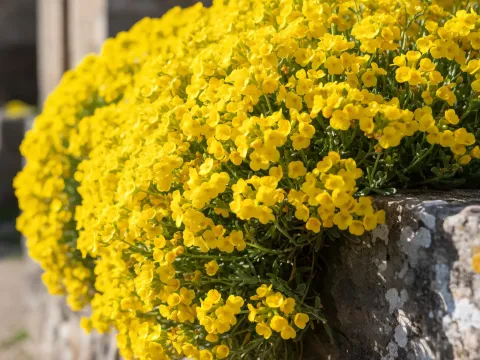
Aurinia
Aurinia
Sowing Aurinia seeds typically begins in late winter or early spring in a greenhouse or indoor environment. Using high-quality seed starting mix ensures better germination rates and healthier initial growth for your seedlings.
What the section contains

Aurinia
When sowing directly outdoors, wait until the soil temperature reaches at least 15 degrees Celsius. Prepare a seedbed by clearing debris and ensuring the soil surface is finely raked to allow for uniform seed distribution.
Since the seeds are extremely small, they should be sown on the surface of the growing medium. Do not bury them deeply; instead, lightly press them into the soil and provide a light misting to keep them consistently moist until they sprout.
Cold stratification is a highly recommended practice for Aurinia to break dormancy and improve the uniformity of germination. Placing the seeds in a refrigerator for a few weeks prior to sowing often results in significantly higher success rates.
Once seedlings have reached the stage of having two sets of true leaves, they can be hardened off before moving to their permanent outdoor location. Space them roughly 30 to 40 centimeters apart to allow sufficient room for their spreading habit.
Aurinia is a genus within the Brassicaceae family, well-known for its vibrant displays in rock gardens and landscapes. It thrives in full sun, as it requires direct sunlight to produce its signature profusion of flowers during the blooming season.
Soil drainage is the single most critical factor in the successful cultivation of Aurinia. It prefers gritty, alkaline, or neutral soil types that prevent moisture from accumulating around the root crown, which is essential for preventing rot.
Climate adaptability is one of Aurinia's strengths, as it originates from mountainous regions. It is highly resistant to cold temperatures and can thrive in regions with significant temperature fluctuations, provided the soil remains well-drained.
Low maintenance is a hallmark of this plant, meaning excessive fertilizing is not required and can even be detrimental. Occasional light feeding with a balanced mineral fertilizer after the blooming period is sufficient to support healthy foliage.
Watering should be approached with caution, following a "less is more" philosophy. Only supplement water during extended periods of drought, ensuring the base of the plant remains dry to maintain optimal health and vigor.
Fungal diseases related to moisture are the primary threat to Aurinia plants. Root rot, caused by standing water or excessively damp soil, is the most common cause of failure in gardens with poor drainage or heavy clay content.
Powdery mildew may occur on the leaves during periods of high humidity and stagnant air. Providing adequate space between plants is essential for promoting airflow and reducing the risk of this fungal infestation spreading rapidly.
Crucifer flea beetles are the most frequent insect pest encountered by Aurinia, as they are attracted to members of the Brassicaceae family. These small beetles can quickly create holes in the leaves, necessitating the use of targeted insecticide sprays.
Aphids can sometimes infest the succulent parts of the plant during hot, dry weather. Regularly inspecting the plants and using insecticidal soap can effectively manage small colonies before they cause significant damage to the plant's health.
General hygiene in the garden, including the removal of dead foliage after flowering, is the best preventative measure against pests and disease. Maintaining a healthy, vigorous plant through proper soil management is the ultimate defense.