
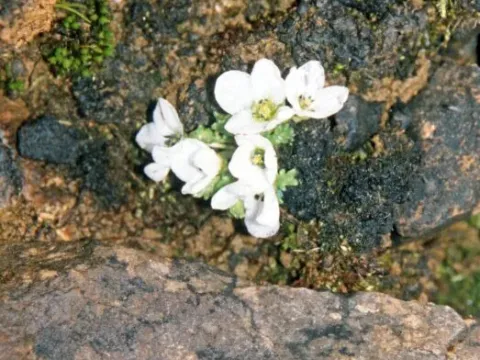
Arcyosperma
Arcyosperma
Arcyosperma is a genus of annual herbaceous plants belonging to the Brassicaceae family. While it remains a niche subject in agricultural studies, it is botanically related to major oilseed crops like mustard and rapeseed, sharing similar structural features while exhibiting unique evolutionary adaptations to its native habitat.
What the section contains

Arcyosperma
The historical and natural distribution of this genus is mainly concentrated in the mountainous and steppe regions of Central Asia. The plants are adapted to temperate climates that provide sufficient seasonal moisture, though they generally require well-drained soil profiles to thrive.
When cultivating Arcyosperma, soil aeration is paramount. The plant performs best in light, sandy-loam or silty-loam textures that allow its taproot system to penetrate deep into the soil. Neutral to slightly alkaline soil pH levels are preferred to optimize nutrient uptake.
Climate requirements include a stable growing season free from late frosts during the early vegetative stage. The crop shows resilience to mild dry spells, attributed to its deep root structure which helps in efficient moisture extraction during periods of inconsistent precipitation.
From a usage perspective, Arcyosperma is primarily researched for its potential in breeding programs and as a source of specialized chemical compounds. Its role in modern agriculture is currently directed towards increasing genetic diversity in oilseed development and drought resistance.
The crop is highly susceptible to pests common to the Brassicaceae family, with the cruciferous flea beetle being the most significant threat. These insects can devastate young seedlings rapidly if not managed through early intervention or preventative seed treatment.
Fungal diseases, including powdery mildew and various root rots, pose a serious risk if the environment is characterized by high humidity and poor drainage. Ensuring optimal planting density is essential for promoting airflow and reducing the humidity levels that favor pathogen growth.
Soil-borne pests such as wireworms can damage the root systems, resulting in stunted development or premature plant death. Strategic crop rotation is a fundamental management practice to prevent the build-up of these soil-dwelling larvae in fields intended for Arcyosperma production.
Integrated Pest Management (IPM) strategies are recommended to maintain crop health. This includes regular field scouting to identify infestation symptoms early and applying selective biological or chemical controls according to the developmental stages of the plant.
Ultimately, long-term success depends on agronomic planning that prioritizes healthy soil structure and the reduction of alternative host plants (such as wild weeds of the cabbage family) that often serve as reservoirs for diseases and insects.