
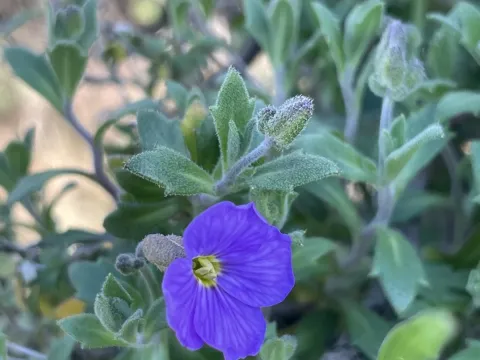
Aubrieta
Aubrieta Adans.
Aubrieta (Aubrieta Adans.) is a genus of flowering plants belonging to the Brassicaceae family. In commercial horticulture, seeds are typically sown indoors in late February or March to ensure flowering plants by mid-spring.
What the section contains


Aubrieta
Direct outdoor sowing is feasible in temperate zones during early spring or autumn. Since the seeds are extremely small, they should be lightly covered with a fine layer of sand or vermiculite to maintain contact with the soil without being buried too deep.
The germination substrate must be loose and well-drained. A temperature of approximately 20 degrees Celsius is ideal, provided that the growing medium remains consistently moist during the germination phase.
Seedlings are highly sensitive to root disturbance. It is best to prick them out into individual pots or biodegradable containers to minimize root damage during the final transplanting process into the landscape.
Transplanting to the permanent site should occur after the threat of heavy frost has passed. Planting density is generally 15–20 centimeters apart to ensure optimal airflow and prevent moisture-related issues.
Aubrieta is a sun-loving plant that requires full exposure to reach its maximum ornamental potential. Insufficient light leads to leggy growth, weak stems, and a significant reduction in flower density.
The plant thrives in well-drained, slightly alkaline or neutral soils. It is critical to avoid waterlogged sites, as the root system is highly susceptible to decay in heavy, wet, or compact soil conditions.
Adding lime to acidic soil is recommended if the pH level is too low, as Aubrieta prefers calcium-rich environments. The soil should be gritty and lean rather than overly rich in organic matter.
While the plant is quite hardy, it appreciates moderate watering during dry spells. However, avoiding standing water near the base is essential to prevent root rot and ensure the longevity of the plant.
Pruning is a vital part of maintenance. Cutting back the foliage after the first heavy bloom encourages a second flush of flowers and keeps the clump compact and healthy for the next season.
Powdery mildew is the most common fungal disease affecting Aubrieta, particularly in humid and poorly ventilated conditions. It appears as a white, powdery coating on the leaves and eventually weakens the plant.
Pests such as aphids and flea beetles often target young growth. Integrated pest management, including the use of targeted insecticides or natural deterrents, is recommended to protect the floral display.
Root rot is typically caused by overwatering or poor drainage. Ensuring that the site has a high percentage of aggregate, such as small stones or gravel, can mitigate this risk significantly.
Viral infections can occasionally occur, often transmitted by sap-sucking insects. Affected plants should be promptly removed and disposed of to prevent the spread of the virus to healthy nearby specimens.
Regular monitoring for early signs of disease and keeping the planting area free of debris helps maintain the plant's natural resistance. Healthy, well-spaced plants are far less prone to severe infestations.