

Reference · Crops
Stock
Matthiola
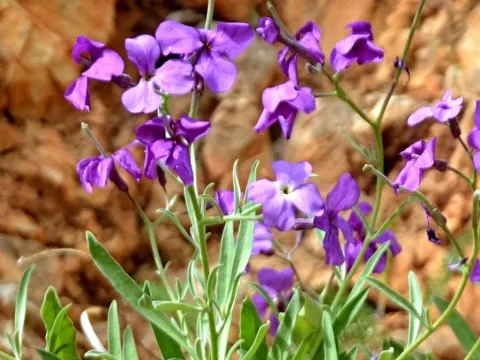
The sowing process for Stock flowers begins by determining the local frost-free dates. For seedlings, seeds are sown indoors 6 to 8 weeks before the last spring frost date.
14
items
What the section contains
 Maderan stock
Matthiola maderensis
Maderan stock
Matthiola maderensis
 Matthiola arabica
Matthiola arabica
Matthiola arabica
 Matthiola fragrans
Matthiola fragrans
Matthiola fragrans
 Matthiola fruticulosa
Matthiola fruticulosa
Matthiola fruticulosa
 Matthiola humilis
Matthiola humilis
Matthiola humilis
 Matthiola lunata
Matthiola lunata
Matthiola lunata
 Matthiola parviflora
Matthiola parviflora
Matthiola parviflora
 Moroccan stock
Matthiola maroccana
Moroccan stock
Matthiola maroccana
 Rough stock
Matthiola aspera
Rough stock
Matthiola aspera
 Scented stock
Matthiola odoratissima
Scented stock
Matthiola odoratissima
 Sea stock
Matthiola sinuata
Seven-petaled stock
Matthiola septopetala
Sea stock
Matthiola sinuata
Seven-petaled stock
Matthiola septopetala
 Stock
Matthiola hybrids
Stock
Matthiola hybrids
 Three-horned stock
Matthiola tricuspidata
Three-horned stock
Matthiola tricuspidata
Marketplace
Products in this section · 3


Stock
Use a sterile, well-draining seed starting mix to ensure healthy root development. Sow seeds thinly on the surface and cover with a light dusting of vermiculite or soil, as they need some light to germinate.
Maintain an optimal germination temperature of about 15 to 20 degrees Celsius. Once seedlings emerge, move them to a cooler environment to prevent leggy growth and improve overall vigor.
For direct sowing in milder climates, wait until the soil is workable in early spring. Space the seeds according to the specific variety to ensure proper air circulation later in the season.
Thinning out weaker seedlings is essential once the first true leaves appear. This ensures that the remaining plants have sufficient space to develop their characteristic thick stems.
Matthiola thrives in full sun but prefers cooler temperatures to produce high-quality, fragrant blooms. Avoid planting in areas that experience extreme summer heat, as this can stunt plant development.
Soil must be rich in organic matter and have a neutral pH. Ensure the site has excellent drainage, as Stock flowers are highly susceptible to root rot if the soil remains waterlogged.
Regular irrigation is vital during dry spells, focusing on watering the base of the plant to keep foliage dry. Wet leaves increase the likelihood of fungal diseases significantly.
Apply a balanced fertilizer during the vegetative growth phase. However, avoid excessive nitrogen, which promotes lush foliage at the expense of floral production and stalk strength.
Maintenance tasks include regular weeding, as competition from weeds can sap vital nutrients. Mulching the base of the plants can help retain soil moisture and suppress weed growth.
Clubroot is a serious soil-borne disease affecting members of the Brassicaceae family. Crop rotation is the primary strategy to prevent the buildup of this pathogen in the soil.
Flea beetles are the most common insect pests for young Matthiola plants. Using fine netting or row covers immediately after transplanting can provide effective physical protection.
Damping-off, caused by various soil fungi, frequently attacks seedlings. Ensure proper sanitation of seed trays and avoid over-watering to keep this risk under control.
Powdery mildew often appears during periods of high humidity or poor air circulation. Applying a preventive fungicide or ensuring wide plant spacing can reduce the incidence of this infection.
Aphids can cause significant damage to young flower buds. Regular monitoring and the application of insecticidal soaps are recommended at the first sign of an infestation.
Harvest Stock flowers when about half to two-thirds of the florets are fully open. This stage allows for the longest possible vase life and continuous blooming indoors.
Cut the stems early in the morning when the plant's moisture content is at its peak. Use a sanitized, sharp blade to ensure clean cuts and prevent tissue damage at the base.
Remove the lower leaves to prevent them from sitting in the vase water, which can lead to bacterial growth and foul odors. Always use a clean vase with fresh, cool water.
Keep the harvested flowers away from direct sunlight and heat sources. Proper handling ensures that the delicate, spicy fragrance is preserved for as long as possible.
After the harvest, promptly remove and discard all spent plant debris from the garden. Proper sanitation is key to preventing the carry-over of pathogens to the next season.