
Matthiola humilis
Matthiola humilis
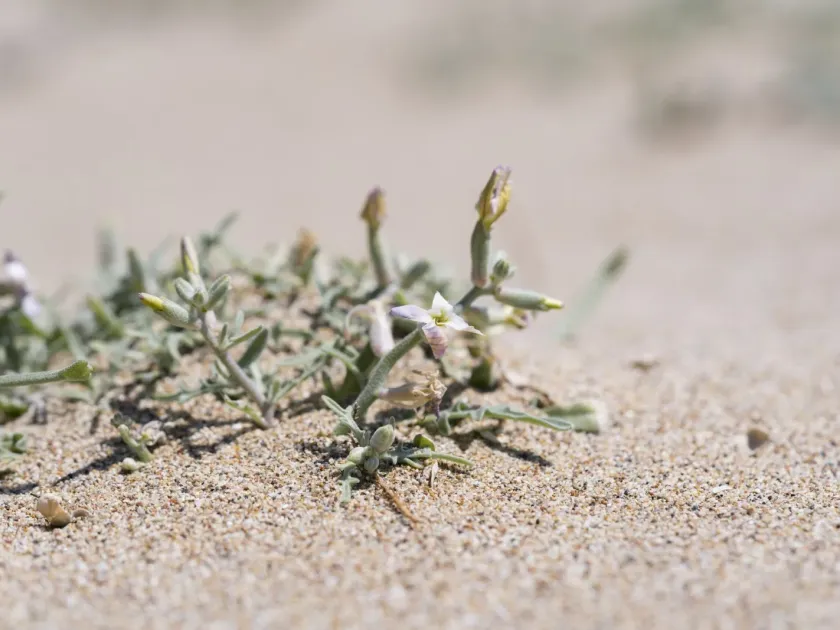
Description
Sowing dates
Matthiola humilis is typically sown in early spring, as soon as the soil becomes workable and the risk of severe frost has completely passed for the season.
Seeds can be started indoors in trays filled with a sterile, well-draining seed-starting mix to ensure a healthy beginning for the young seedlings before transplanting.
The seeds should be sown shallowly, just barely covered with a fine layer of soil, and kept in a bright location to encourage quick and uniform germination.
Once seedlings have developed their first true leaves, they should be hardened off gradually to acclimatize them to outdoor conditions before final planting into the garden.
Spacing is crucial for this species; maintaining a distance of at least 25-30 cm allows for optimal root development and promotes healthy airflow around the foliage.
Growing requirements
This plant, belonging to the Brassicaceae family, thrives best in sunny positions that receive at least six hours of direct sunlight each day throughout the growing period.
A loose, fertile, and well-draining soil is essential to prevent waterlogging, which the plant cannot tolerate, as it leads to rapid decline and root health issues.
While somewhat drought-tolerant, consistent moisture is required during the initial stages of establishment and through the main flowering season for best performance.
It prefers a neutral to slightly alkaline soil pH and benefits from the incorporation of organic matter or a balanced fertilizer to support continuous blooming cycles.
Regular maintenance, such as removing faded flower spikes, can prolong the blooming period and prevent the plant from putting unnecessary energy into seed production.
Main diseases and pests
The most significant threat to Matthiola humilis is the flea beetle, which creates small, characteristic holes in the leaves and can decimate a crop in a matter of days.
Root and crown rot are common in areas with poor drainage or during prolonged spells of high humidity, necessitating proper site selection and soil management.
Clubroot is another potential danger, particularly if the garden bed has previously hosted other cabbage family members; proper crop rotation is the best preventive measure.
Aphid infestations are occasionally seen; these pests can be managed by washing the foliage with a sharp stream of water or applying approved insecticidal soaps.
Early detection of these issues through routine garden inspection allows for timely intervention, protecting the vitality and visual appeal of the planting area.