
Matthiola fruticulosa
Matthiola fruticulosa
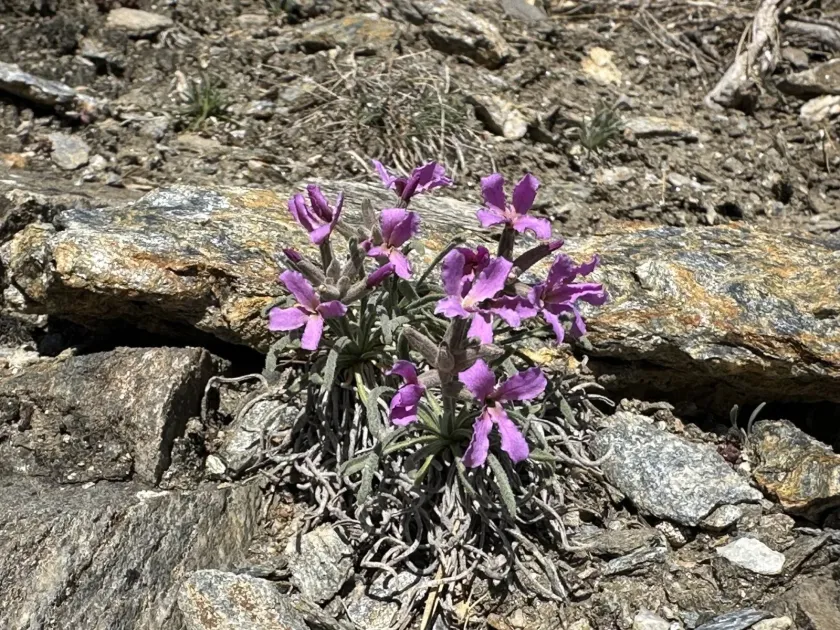
Description
Sowing dates
Matthiola fruticulosa is typically sown in early spring, as soon as the soil temperatures reach a level suitable for germination, usually around 10 to 12 degrees Celsius.
For gardeners aiming for earlier blooms, starting seeds indoors in trays during March or April is a highly effective and widely practiced method.
When sowing directly into the open field, it is crucial to prepare the surface of the soil carefully to ensure that the tiny seeds are not buried too deeply.
Once the seedlings reach the stage of two or three true leaves, they should be spaced or thinned out to allow for sufficient airflow and proper root development.
Transplanting seedlings to their final location should only occur after the risk of late spring frosts has completely passed to avoid stunted plant growth.
Growing requirements
Belonging to the Brassicaceae family, this species thrives in locations with full sun exposure, which is essential for maintaining a compact and healthy growth habit.
The ideal growing medium for this culture is a well-draining, fertile loam that prevents water stagnation, as the roots are quite prone to rot in soggy conditions.
Although it is relatively hardy, providing the plant with a sheltered location will protect it from harsh winds and facilitate better flower production.
Maintenance of proper soil moisture levels is necessary, particularly during the budding phase, though once established, it demonstrates moderate drought tolerance.
Regular weeding is essential for this plant to reduce competition for nutrients and water, thereby ensuring vigorous growth throughout the entire growing season.
Main diseases and pests
The primary insect pests affecting Matthiola fruticulosa are flea beetles, which can cause significant defoliation to young plants if left uncontrolled.
Clubroot, a soil-borne disease caused by a pathogen, poses a major risk to this plant, often leading to stunted growth and wilting that is difficult to cure.
Powdery mildew is a common concern in environments with high humidity and poor air circulation, appearing as a white dusting on the foliage and stems.
Aphid infestations are frequently observed on the flower spikes, where they suck sap from the tender tissues, potentially leading to the spread of plant viruses.
Cultural control measures, such as practicing a strict four-year crop rotation, are highly recommended to keep the soil free from common cruciferous pathogens.