
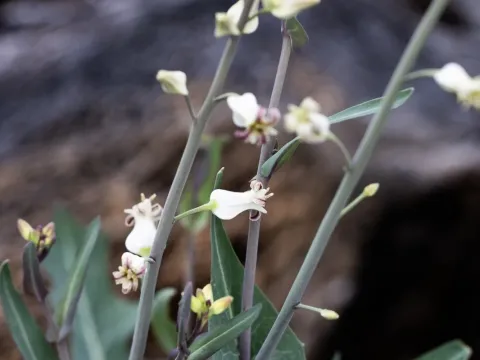
Streptanthus
Streptanthus
Sowing Streptanthus seeds is best performed in early spring once the soil temperature is stable. Since the seeds are small, they should be lightly covered with a thin layer of fine soil or vermiculite to ensure proper light exposure for germination.
What the section contains


Streptanthus
Cold stratification of the seeds for a few weeks prior to sowing often yields significantly better results, mirroring the natural life cycle of the plant in its native habitat.
Spacing is critical when sowing; plants require good airflow to thrive. Overcrowding frequently leads to poor development and increased susceptibility to various pathogens during the growing season.
For greenhouse or nursery production, using cell trays is recommended to minimize root disturbance during transplanting, as the species can be sensitive to immediate shifts in the environment.
Ensure the sowing substrate has excellent drainage characteristics to prevent seed rot, which is common in cold, wet spring conditions.
Streptanthus is a genus of plants within the Brassicaceae family, primarily native to western North America, where they have adapted to semi-arid and rocky environments.
These plants demand full sun exposure to maintain compact growth habits. In low-light conditions, they tend to become leggy and produce fewer flowers.
Soil requirements focus heavily on drainage; the species performs exceptionally well in sandy, gravelly, or rocky soils that do not hold excessive moisture.
The climate should be moderate, characterized by distinct wet and dry periods. High humidity combined with heat can be detrimental, often leading to physiological stress.
While the plants can survive in poor soil, moderate nutrient availability, particularly during the rosette stage, supports more robust floral development.
Crucifer pests, particularly flea beetles, pose the most significant threat to young plants, often causing extensive leaf damage before the plants reach maturity.
Root rot is the most prevalent disease, triggered by poorly draining soil or irrigation regimes that do not allow the root zone to dry out between waterings.
Aphid infestations on the flower stalks can weaken the plant and reduce seed production, requiring vigilant monitoring during the reproductive phase.
Gastropods, such as slugs and snails, find the foliage of Streptanthus particularly appealing, especially in wet microclimates or during periods of overcast weather.
To mitigate these threats, maintain weed-free zones around the plants to reduce pest shelters and ensure optimal spacing for natural aeration.