
Moroccan stock
Matthiola maroccana
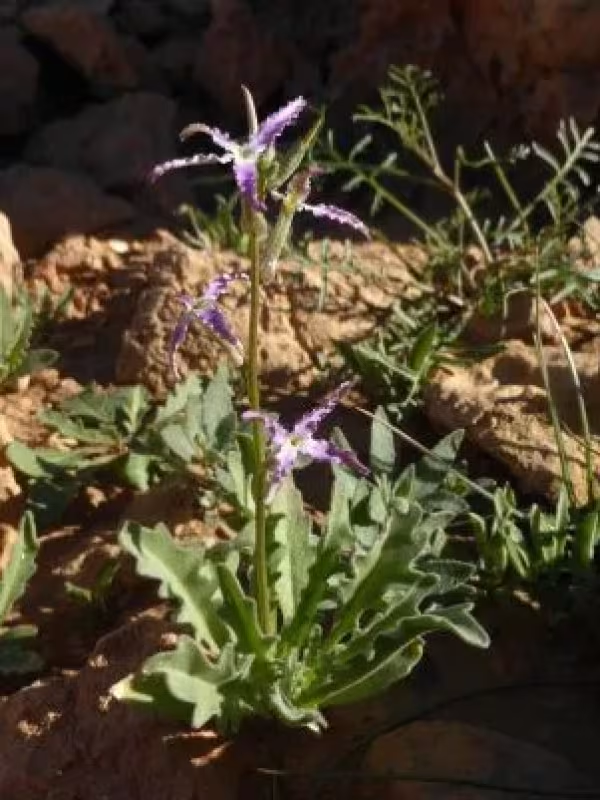
Description
Sowing dates
Moroccan stock (Matthiola maroccana) is an annual flowering plant belonging to the Brassicaceae family, known for its pleasant fragrance and elegant appearance.
Sowing in open ground typically takes place in mid-spring, once the soil has warmed up and the risk of late frosts has completely passed.
For earlier flowering, growers often utilize indoor sowing in seed trays during late winter, ensuring a bright location for the developing seedlings.
The seeds are relatively small and should be sown shallowly, ideally covered with a very fine layer of vermiculite or sterile potting mix.
Proper spacing is crucial; thin the seedlings once they develop their first set of true leaves to encourage robust and well-branched plants.
Growing requirements
This plant thrives in full sun, which is necessary for compact growth and abundant flower production throughout the blooming season.
A well-drained, fertile soil with a neutral to slightly alkaline pH is ideal for the successful cultivation of Matthiola species.
While the plant can tolerate short dry spells, consistent soil moisture promotes larger blooms and extends the overall life of the plant.
Regular application of balanced liquid fertilizers helps maintain steady growth during the transition from the vegetative stage to flowering.
Ensuring good air circulation around the plants is essential to prevent moisture buildup within the foliage, which can lead to fungal infections.
Main diseases and pests
Clubroot is a significant disease for Moroccan stock, affecting the roots and causing the plant to wilt even if the soil surface appears moist.
Damping-off, a common issue for seedlings, can be prevented by providing sterile growing media and maintaining adequate ventilation.
Flea beetles are the most problematic pests, particularly in spring, as they chew holes in leaves and can rapidly weaken young seedlings.
Aphid infestations can occur during warm and dry periods; monitor the undersides of leaves and use suitable treatments if populations explode.
Avoiding crop rotation with other members of the Brassicaceae family is a key strategy to manage soil-borne pathogens and long-term plant health.