
Matthiola fragrans
Matthiola fragrans
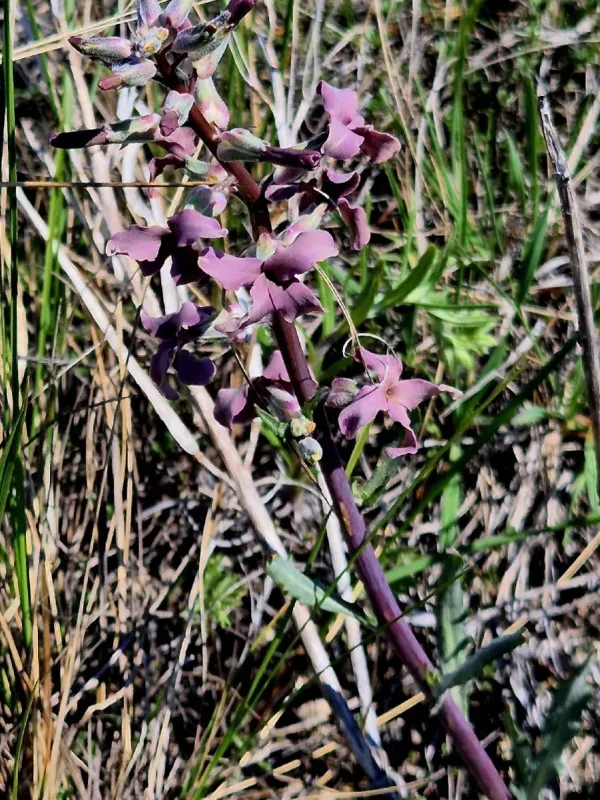
Description
Sowing dates
Sowing Matthiola fragrans is best performed in early spring once the soil temperature is stable. For seedling production, start indoors in late February or March using a light, well-draining seed-starting mix.
Seeds should be covered with a very thin layer of fine soil or vermiculite. Maintain a consistent temperature of about 16–18 degrees Celsius, and keep the surface moist until germination occurs, which usually takes 7 to 10 days.
Once the seedlings develop their first true leaves, they should be pricked out into individual pots. This practice encourages the development of a healthy root system and prepares the plants for successful transplanting.
Hardening off the seedlings is an essential step before planting them into the open ground. Gradually acclimatize the plants to outdoor conditions over a week to prevent transplant shock.
Plant the seedlings in the garden with spacing of 25–30 centimeters. Ensure the site is prepared with organic matter to provide a nutrient-rich foundation for the growing season.
Growing requirements
Matthiola fragrans is a member of the Brassicaceae family, renowned for its strong, sweet perfume that intensifies at dusk. It is an herbaceous plant widely grown for its decorative value in borders and garden beds.
The plant thrives in full sun exposure. Adequate light is necessary for producing sturdy stems and maximizing the flowering period throughout the spring and summer months.
Well-drained soil is a non-negotiable requirement for this species. Waterlogged soil leads to rapid root rot and is often the primary reason for failure in cultivation efforts.
The soil should have a neutral to slightly alkaline pH. If the garden soil is heavy or clay-based, incorporating sand or aged compost will significantly improve the aeration and drainage properties.
Watering should be consistent but moderate. Avoid overhead irrigation during the heat of the day to reduce the risk of leaf diseases and to ensure the plant remains healthy and vigorous.
Main diseases and pests
Clubroot is a serious fungal disease that affects the root systems of Brassicaceae plants, including Matthiola fragrans. To prevent this, ensure proper crop rotation and maintain an appropriate soil pH level.
Damping-off, or black leg, is a common issue for seedlings. Maintaining good airflow, avoiding over-watering, and using sterile soil media are the most effective strategies for preventing this infection.
Flea beetles are significant pests that cause extensive damage to leaves by chewing small holes. Early detection and the use of protective netting or appropriate insecticides can minimize their impact on the crop.
Aphids can infest the succulent growth of the plants, causing leaves to curl and reducing the overall vigor of the flower stalks. Regular monitoring and gentle soapy water sprays can control small outbreaks.
Fungal diseases like Fusarium wilt can also affect the plant if the soil is contaminated. Practicing strict hygiene in the garden, including the removal of dead plant material, is essential for long-term health.