
Sea stock
Matthiola sinuata
Description
Sowing dates
Sea stock, known botanically as Matthiola sinuata, is a herbaceous member of the Brassicaceae family. It is typically grown as a biennial or annual in garden settings, valued for its scented flowers.
Seeds are best sown in late winter or early spring in a controlled environment. The seeds require well-draining, sterile potting media and should be lightly covered with soil to ensure proper germination.
Maintaining a temperature range of 18–20 degrees Celsius is optimal for uniform germination. Once seedlings emerge, they should be provided with bright light to prevent them from becoming leggy.
Transplanting seedlings should be done carefully at the two-leaf stage. Using individual biodegradable pots helps avoid disturbing the root system, which is critical for the plant's successful establishment.
Outdoor sowing is possible once the danger of frost has passed. Seeds should be spaced to ensure adequate airflow, which is essential to prevent fungal diseases common to this family.
Growing requirements
This species thrives in sunny, open locations. As a native of coastal dunes, it is highly adapted to sandy soils, high light intensity, and the salt spray typical of maritime environments.
Soil drainage is the most vital requirement for Sea stock. It performs poorly in heavy, clay-rich soils that retain excess moisture, as these conditions rapidly lead to root rot.
While the plant is drought-tolerant once established, supplemental watering during prolonged dry spells will encourage more vigorous growth and a longer blooming season.
A neutral to slightly alkaline soil pH is ideal. If soil is nutrient-poor, a balanced fertilizer applied sparingly during the growing season can improve flower density.
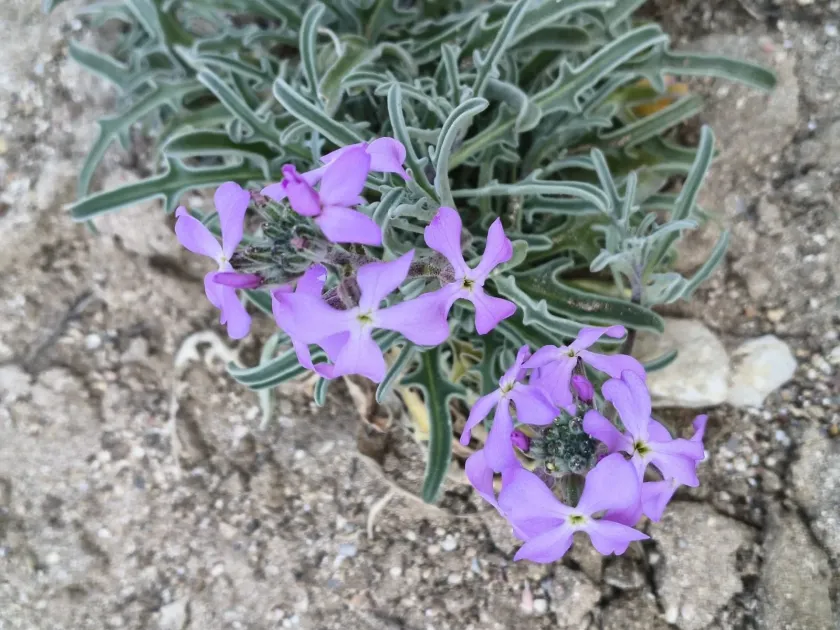
The plant features distinct, greyish-green lobed leaves covered in fine hairs. This adaptation minimizes water loss and protects the plant from the drying effects of coastal winds.
Main diseases and pests
Clubroot is a significant soil-borne disease affecting this plant. It causes stunted growth and root deformity, necessitating strict crop rotation to avoid build-up of the pathogen in the soil.
Damping-off is a common issue for seedlings. Maintaining proper humidity levels and ensuring adequate ventilation in the nursery area are effective preventative measures.
Flea beetles are the primary insect pests. These small insects feed on the foliage, leaving characteristic small holes. Using row covers or insecticidal soaps can help manage populations in home gardens.
Aphids can also cluster on emerging flower buds. Regular inspection and the application of neem oil or similar organic treatments can prevent significant damage to the floral display.
Powdery mildew may develop if there is poor airflow or high humidity combined with stagnant air. Planting at correct spacings is the best cultural defense against this infection.
Harvesting
Sea stock is primarily used for ornamental purposes in flower borders and as a fragrant cut flower. Harvest spikes when about one-third of the buds have opened for maximum vase life.
Seed harvesting should be undertaken when the seed pods turn brown and begin to dry on the stem. Collect them before they burst to prevent the loss of seeds through natural dispersal.
After collection, pods should be dried in a cool, dark room. Once completely dry, the seeds can be threshed, cleaned, and stored in envelopes for future planting seasons.
In landscaping, this plant is an excellent choice for rock gardens and seaside plantings. Its ability to tolerate harsh, sandy conditions makes it a low-maintenance option for specific sites.
Deadheading spent flowers is highly recommended. This practice not only keeps the plant looking tidy but also diverts energy away from seed production and back into the plant's vitality.