
Three-horned stock
Matthiola tricuspidata
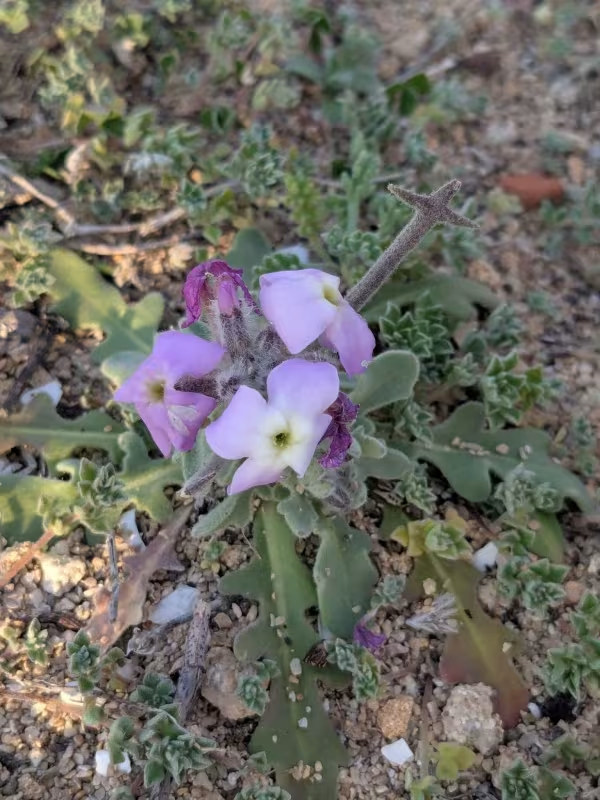
Description
Sowing dates
Three-horned stock, known scientifically as Matthiola tricuspidata, is an annual herbaceous plant well-adapted to the specific environmental pressures of Mediterranean coastal zones. Its seeds require a dormancy-breaking cold period, reflecting their natural adaptation to winter-mild climates.
For sowing purposes, it is recommended to use light, well-draining sandy substrates that mimic the plant's natural habitat. Surface sowing is essential as the seeds are photoblastic, meaning they require light exposure to successfully initiate the germination process.
In terms of timing, planting should occur as soon as the soil temperatures stabilize in early spring. Proper spacing is crucial to prevent the development of stagnant air pockets, which significantly increase the likelihood of fungal infections in the Brassicaceae family.
Propagation can be achieved via direct seeding or container-grown transplants. If starting indoors, seedlings must be handled with extreme care due to the sensitive nature of the taproot, which does not tolerate severe disturbances during the transplanting phase.
The plant exhibits high ecological plasticity, allowing it to flourish in soils with higher salinity levels compared to traditional garden flowers. This robustness makes it an excellent candidate for coastal landscape restoration and saline-soil gardening projects.
Growing requirements
Matthiola tricuspidata is a heliophilous species, meaning it requires full, direct sun exposure to maintain its compact growth form. Insufficient sunlight will lead to spindly, weak stems and a dramatic reduction in flower production.
Soil quality remains the most critical factor for success. The substrate must possess high permeability and excellent drainage capabilities; any moisture retention that leads to waterlogging will almost inevitably result in root rot and total plant failure.
While the species is tolerant of salt, it responds positively to balanced mineral nutrition during the vegetative stage. Phosphorus and potassium are particularly vital for the development of healthy buds and the structural integrity of the flowering stalks.
The watering regime must be managed carefully. While regular moisture is necessary during the establishment phase, adult plants are quite resilient and prefer a drying-out cycle between watering sessions to ensure soil aeration.
- Full sun exposure for optimal growth.
- Sandy, highly drained soil structure.
- Balanced fertilization focusing on K and P.
- Good air ventilation between individual plants.
Main diseases and pests
The most persistent pest affecting Matthiola tricuspidata is the flea beetle. These insects target young, succulent leaves, often causing significant damage within days of emergence, necessitating the use of targeted control measures.
Powdery mildew represents the primary fungal challenge for this species, especially in environments with high humidity and poor circulation. The characteristic white powdery coating on leaves hinders photosynthesis and eventually weakens the entire plant structure.
Root pathogens thrive in conditions where soil aeration is poor or irrigation is excessive. Prevention is the best defense; maintaining strict control over moisture levels is essential for keeping the root zone free from decay-causing organisms.
Aphids pose a recurring threat to the budding stage. By feeding on the concentrated sap of the developing flower buds, these pests can prevent healthy blooms from opening, leading to aesthetic and physiological decline.
Gastropods, particularly slugs and snails in coastal environments, can cause severe defoliation. Implementing physical barriers or using non-toxic bait traps is recommended to protect young populations from being decimated during the early spring growth period.