
Matthiola arabica
Matthiola arabica
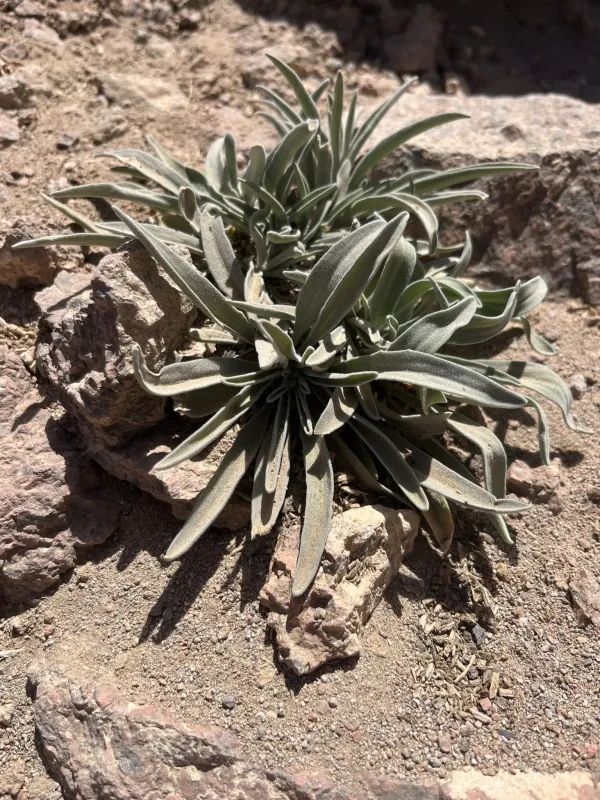
Description
Sowing dates
Matthiola arabica is typically sown in early spring when the soil has sufficiently warmed up. For optimal results, seeds should be sown in well-draining, light soil mixes to prevent moisture stress on the germinating embryos.
Sowing in trays is recommended for better control over early growth, especially in regions with unpredictable spring weather. Ensure that the substrate is kept lightly moist but never waterlogged during the germination phase.
Seeds of this species require light to germinate effectively. Therefore, they should be covered with only a very thin layer of soil or fine vermiculite to avoid preventing the necessary exposure to sunlight.
Spacing is a crucial factor for this plant to ensure adequate air circulation. Planting density should be managed to allow for 20 to 30 centimeters between mature plants, reducing the risk of fungal outbreaks.
Consistent temperatures around 18–20 degrees Celsius are ideal for successful germination. Once the seedlings reach the four-leaf stage, they can be hardened off and transplanted to their permanent location in the garden.
Growing requirements
This species belongs to the Brassicaceae family, well-known for its adaptation to challenging environmental conditions. It is native to arid regions, including parts of the Arabian Peninsula, which defines its drought-tolerant nature.
Matthiola arabica thrives in full sun and requires a location that receives direct light throughout most of the day. Partial shade should be avoided as it often results in leggy growth and reduced flowering performance.
The soil must be sandy or loamy with excellent drainage properties. In clay-heavy soils, it is highly recommended to amend the ground with organic matter or gravel to ensure that water does not pool around the root zone.
Watering requirements are relatively low compared to many garden flowers. The plant is accustomed to long dry spells and benefits from the soil drying out completely between waterings to maintain root health.
Soil pH should remain near neutral, between 6.5 and 7.5. The plant is not particularly demanding regarding soil fertility but responds well to occasional, very mild applications of organic fertilizer during the early vegetative stage.
Main diseases and pests
The most common pest affecting Matthiola arabica is the flea beetle, which can cause significant damage to the foliage during the early seedling stage. Consistent monitoring and the use of physical barriers can help mitigate this.
Root rots are the primary threat in environments with high humidity or poor soil drainage. Ensuring that the site is well-drained and that watering is carefully calibrated is the best defense against these pathogens.
Powdery mildew can occasionally appear if the plant is grown in environments with poor air circulation. Symptoms include a white, dust-like coating on the leaves which can weaken the plant over time if left untreated.
Aphids can also congregate on the stems and leaves, feeding on plant sap. While generally not fatal, a severe infestation can lead to stunted growth and disfigured flowers, necessitating targeted biological control measures.
Crop rotation is essential for long-term soil health and pest management. Avoid planting this species in areas where other members of the Brassicaceae family have been grown within the previous three years to prevent soil-borne diseases.