
Matthiola parviflora
Matthiola parviflora
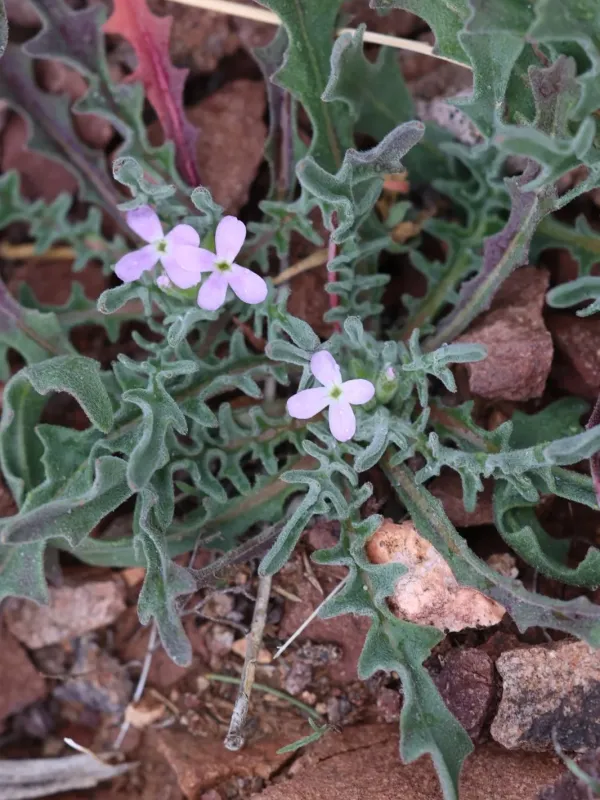
Description
Sowing dates
Matthiola parviflora is a distinct species belonging to the Brassicaceae family, recognized for its specific physiological adaptation to various environments.
Sowing in open fields should be scheduled for the spring season once the soil has adequately warmed up to prevent seedling shock from cold temperatures.
For container or nursery production, seeds require a well-aerated substrate with high porosity to ensure optimal germination rates and root development.
The seeds are typically sown at a shallow depth, usually not exceeding half a centimeter, and kept under constant light to facilitate uniform emergence.
After the germination phase, thinning is necessary to maintain proper plant spacing, which encourages stronger stem growth and improved airflow between plants.
Growing requirements
This crop thrives in full sunlight, which is a critical factor for ensuring high-quality plant morphology and prolonged flowering periods throughout the season.
Soil composition should ideally be sandy loam or well-structured silt, providing sufficient drainage to prevent the accumulation of excess moisture around the roots.
Matthiola parviflora shows moderate tolerance to temperature fluctuations, but consistently high heat may require additional irrigation to maintain metabolic activity.
Nutrient management involves applying balanced fertilizers, emphasizing potassium and phosphorus to support the reproductive phases of plant development.
Maintaining a neutral pH level in the soil is essential, as extreme acidity or alkalinity can inhibit the absorption of necessary micronutrients.
Main diseases and pests
The crop is susceptible to various fungal pathogens, particularly those affecting the root system when drainage conditions are suboptimal during rainy periods.
Leaf-feeding insects, specifically flea beetles, are a significant concern, requiring integrated pest management strategies to mitigate early-stage damage.
Aphid infestations can occur during dry spells, which may lead to the transmission of viral diseases and the curling of leaves, reducing overall plant vigor.
Preventive measures include the use of resistant varieties where available and the removal of host weeds from the field borders to minimize pest pressure.
- Monitoring for early symptoms of fungal leaf spots or powdery mildew.
- Implementing crop rotation to prevent the buildup of soil-borne pathogens.
- Applying targeted interventions only after economic thresholds are reached.