
Matthiola lunata
Matthiola lunata
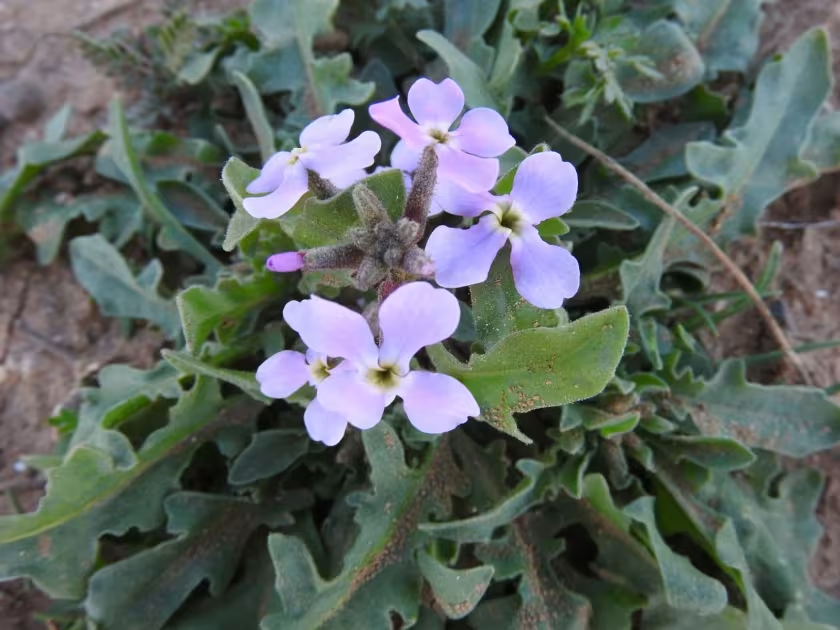
Description
Sowing dates
Matthiola lunata is a biennial or annual herbaceous plant belonging to the Brassicaceae family. It is native to the arid regions of North Africa and the southern Iberian Peninsula, exhibiting strong adaptation to harsh, sun-drenched environments.
The plant is characterized by its branching stems covered in fine pubescence and lanceolate leaves. These botanical features help minimize transpiration, allowing the species to survive in its natural habitat with limited water resources.
Sowing should take place in early spring once the risk of frost has passed. Seeds are small and should be sown at a shallow depth of approximately 0.5 to 1 centimeter to ensure they receive sufficient light to trigger the germination process.
When starting from seeds, it is crucial to maintain a consistent soil moisture level without creating waterlogged conditions. The ideal temperature range for germination is between 18 and 22 degrees Celsius, with seedlings appearing within two weeks.
If utilizing a nursery tray, seedlings should be pricked out when the first true leaves appear. Hardening off the plants before transplanting them to an open field is recommended to improve their resilience to wind and temperature fluctuations.
Growing requirements
Matthiola lunata requires full sun exposure to flourish and maintain its structural integrity. Inadequate light levels lead to etiolated stems and a significant reduction in the quantity and quality of the flowers produced during the season.
The soil must be well-drained and light, ideally with a sandy or loam texture. While the plant can tolerate low-fertility soils, it thrives when the substrate is neutral or slightly alkaline, promoting healthy root development.
Watering practices should focus on consistency rather than volume. Although drought-tolerant once established, periodic irrigation during the flower-bud formation phase ensures more vibrant blooms and prolonged flowering periods throughout the growth cycle.
Nutrient management is straightforward, as the plant does not require heavy fertilization. A balanced slow-release fertilizer applied during the early vegetative stage is usually sufficient to support growth without causing excessive foliage overproduction.
Adequate spacing, typically around 25 to 30 centimeters apart, is essential for air circulation. Proper spacing prevents the build-up of humidity around the base of the plant, which is the primary cause of fungal infections in Brassicaceae.
Main diseases and pests
Flea beetles are the most significant pest affecting Matthiola lunata. These insects feed on the leaves, leaving behind small holes and weakening the plant, especially during the early seedling stages, necessitating vigilant monitoring or protective covers.
Fusarium wilt represents a critical threat, especially in soils that stay damp for too long. The fungus attacks the vascular system of the plant, leading to sudden wilting that is often irreversible once the symptoms become clearly visible.
Root rot caused by various soil-borne pathogens can be mitigated by ensuring proper drainage and avoiding excess irrigation. Using sterile growth media for seed propagation is a proactive measure against these persistent threats.
Caterpillars, particularly those of cabbage butterflies, can cause significant defoliation if left unchecked. Hand-picking or the application of biological pesticides is recommended if an infestation is detected during the summer months.
Good agricultural hygiene is paramount. Removing plant debris from the field at the end of the season reduces the wintering sites for pests and spores, thereby lowering the risk of recurring problems in subsequent planting cycles.