
Scented stock
Matthiola odoratissima
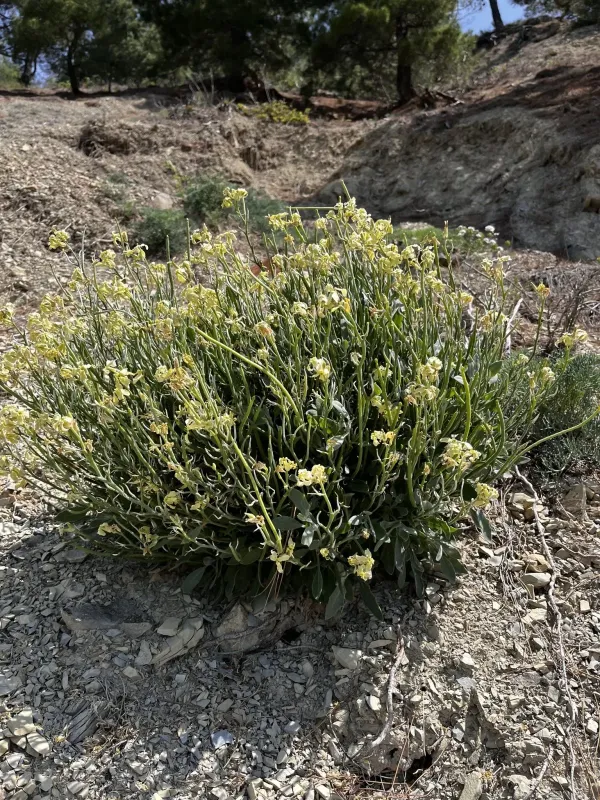
Description
Sowing dates
Sowing seeds of Matthiola odoratissima in open ground is typically performed in late spring once the soil temperature has reached a stable level.
For earlier flowering, seeds can be sown indoors in flats or modules during early spring, kept in a bright location with moderate temperature.
Seeds are surface-sown or covered with a very thin layer of substrate, as they require light and constant moisture to germinate effectively.
Thinning seedlings is essential; once they reach a size of a few centimeters, they should be spaced 20–25 centimeters apart for optimal airflow.
Direct seeding methods benefit from mulching to retain soil moisture during the sensitive germination phase of the crop lifecycle.
Growing requirements
As a member of the Brassicaceae family, this species thrives in fertile, well-draining soil with a neutral or slightly alkaline pH balance.
Full sun exposure is crucial for both the plant's structural development and the intensity of its characteristic evening fragrance.
The plant requires a consistent supply of water but is highly intolerant of waterlogged soils, which quickly lead to root decay.
Temperature management is key; the plant performs best in moderate climates and prefers cooler nights to sustain its extended blooming period.
Fertilization with a balanced, low-nitrogen formula is recommended during the early development phase to encourage strong root and flower growth.
Main diseases and pests
Clubroot is a significant soil-borne disease affecting this plant, causing irregular root swelling and stunted plant growth over time.
Damping-off, or black leg, is a common issue during the seedling stage, often exacerbated by high humidity and poor air circulation.
Crucifer flea beetles are the primary insect pests, capable of causing extensive leaf damage through numerous small, shot-like holes.
Aphids tend to congregate on the flower buds and tender shoots, causing distortion and potentially spreading viral pathogens between plants.
Integrated pest management, including crop rotation and the use of insecticidal soaps, is vital for maintaining the health of the flower bed.