
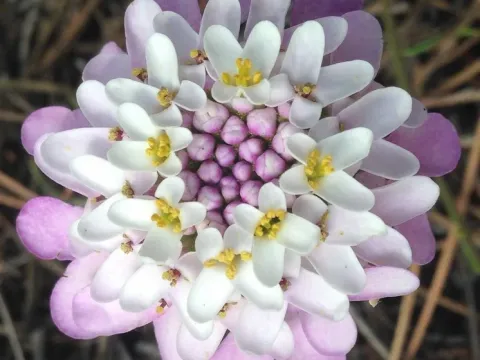
Iberis ciliata
Iberis ciliata
Sowing of Iberis ciliata in open ground is recommended during the early spring season, once the soil has sufficiently thawed.
What the section contains
Iberis ciliata
Late autumn sowing is also a viable practice, providing the necessary stratification period for better germination rates.
Seeds should be covered with a thin layer of soil, as exposure to light is a physiological requirement for germination.
Space the plants approximately 15–20 cm apart to ensure the rosettes have adequate airflow and space for horizontal expansion.
When starting indoors, seeds should be sown in mid-March, maintaining a moderate temperature of 18–20 degrees Celsius.
Iberis ciliata is a perennial herbaceous plant belonging to the Brassicaceae family, known for its elegant floral displays.
The plant thrives in full sun exposure, which is essential for maintaining a compact growth habit and abundant flowering.
Well-drained, sandy, or rocky soil types are preferred to prevent moisture accumulation around the crown of the plant.
The species is highly tolerant to calcareous soils and shows excellent adaptation to alkaline environments with high pH levels.
Minimal fertilization is required as the plant is naturally adapted to nutrient-poor soils found in its native mountain habitats.
Crucifer flea beetles represent the most significant pest threat, often damaging leaves and weakening the plant's physiological state.
Clubroot, a soil-borne disease caused by fungi, can affect root development, particularly in environments with poor drainage.
To mitigate these risks, avoid excessive irrigation and maintain strict hygiene practices in the surrounding gardening area.
Integrated pest management strategies, such as physical barriers or companion planting, can significantly reduce the need for pesticides.
Monitoring for signs of powdery mildew is recommended during periods of high humidity and fluctuating temperature conditions.
Seed harvesting should occur when the seed pods have transitioned from green to a dry, brownish, or golden color.
The harvest process must be performed in dry conditions to ensure the quality and long-term viability of the collected seeds.
After collection, allow the pods to dry thoroughly in a shaded, well-ventilated area before threshing and cleaning the material.
Seeds should be stored in paper envelopes within a cool, dry environment to maintain their biological integrity over time.
Proper storage prevents fungal contamination, allowing the seeds to be preserved successfully for future planting cycles.