
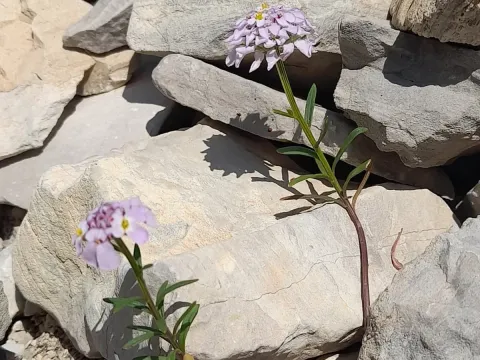
Iberis aurosica
Iberis aurosica
Sowing Iberis aurosica is typically carried out in spring, once the danger of frost has passed. Seeds should be sown in prepared soil at a depth of approximately 0.5 to 1 cm.
What the section contains
Iberis aurosica
For optimal results, space the rows about 20–30 cm apart to ensure good air circulation. Proper spacing prevents overcrowding, which is essential for the healthy development of this species.
Seedlings can also be started indoors in late winter for earlier transplantation. This method ensures that the plants are well-established before being moved to the outdoor garden environment.
Outdoor sowing can be performed in late autumn as well. Seeds sown before winter will experience natural stratification, often leading to more vigorous and uniform germination in the early spring.
Maintenance during the germination period involves keeping the soil consistently moist but not waterlogged. Once the plants reach a certain size, thinning should be done to maintain the required distance between individual specimens.
Iberis aurosica is a member of the Brassicaceae family. It is a compact, resilient plant that is highly valued in horticulture for its ornamental properties and its ability to cover ground effectively.
The plant thrives in well-drained, sunny locations. It is particularly well-suited for rock gardens and borders where light and drainage are abundant, as it dislikes heavy, water-retentive soils.
Soil quality should be light and alkaline-leaning. Incorporating gravel or sand into the planting site is recommended if the local soil is heavy, as it improves root health and prevents rot.
Regular maintenance includes light pruning after the primary flowering phase. This encourages a denser growth habit and can stimulate a second wave of blooms later in the growing season.
Watering requirements are moderate. While the plant appreciates moisture during dry spells, it is relatively drought-tolerant once established and prefers slightly dry conditions over overly wet ones.
The most common issues for Iberis aurosica are related to fungal pathogens, particularly root rot, which typically occurs due to poor soil drainage or excessive irrigation.
Crucifer flea beetles are a significant pest for this species. They feed on the leaves, creating small holes that affect the visual quality of the plant; vigilance and early detection are key to management.
Powdery mildew may occur if the plants are situated in areas with poor airflow and high humidity. Proper spacing during initial planting is the most effective way to prevent the onset of this fungus.
Aphids can also be a nuisance, especially during warmer months. If an infestation is spotted, manual removal or the application of an appropriate horticultural soap or insecticide is usually sufficient to resolve the issue.
To keep the plants healthy, avoid planting them in areas where other Brassicaceae have recently grown to prevent the spread of soil-borne diseases such as clubroot. Cleanliness and crop rotation are essential parts of professional plant care.