
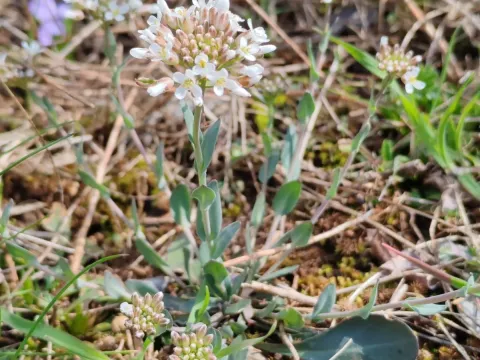
Hutchinsia
Hutchinsia
Sowing of Hutchinsia seeds is typically performed in early spring or late autumn to allow the seeds to benefit from seasonal temperature fluctuations.
What the section contains
Hutchinsia
The seeds are relatively small and should be sown on the surface of the soil or covered with a very thin layer of fine sand or compost to ensure sufficient light penetration.
For indoor propagation, cold stratification for several weeks is highly recommended to break seed dormancy and improve overall germination rates.
Once seedlings have developed at least two sets of true leaves, they should be carefully thinned or transplanted into pots to provide sufficient space for root development.
Maintaining consistent but light moisture during the germination period is critical, as the small seedlings are sensitive to rapid desiccation of the topsoil.
Hutchinsia is a member of the Brassicaceae family, well-regarded in horticulture for its ability to form dense, low-growing mats of foliage adorned with delicate white flowers.
It originates from alpine and mountainous regions, which dictates its preference for well-draining, gritty, and calcareous soils that do not retain excessive moisture.
The plant thrives in full sun exposure and is particularly suitable for rock gardens, stone troughs, and crevices where it can display its natural cushion-forming habit.
It is a hardy perennial, capable of withstanding harsh winters, provided that the soil is not waterlogged during the colder months of the year.
Regular fertilization is generally not required, as excessive nutrients can result in lush but weak growth, making the plants more susceptible to environmental stress.
The primary threats to Hutchinsia cultivation include fungal pathogens like root rot and crown rot, which are almost always triggered by poor soil drainage and high humidity.
Pests such as flea beetles, which frequently target members of the Brassicaceae family, can cause significant damage by feeding on the leaves during the early vegetative stage.
Ensuring good airflow around the plants and avoiding overhead irrigation can significantly reduce the risk of foliage diseases throughout the growing season.
Gardeners should monitor the plants regularly for signs of yellowing or wilting, which may indicate root-level issues or the presence of soil-borne pests.
Cultural control methods, such as removing affected plant material immediately, remain the most effective strategy for maintaining a healthy and aesthetic collection.