
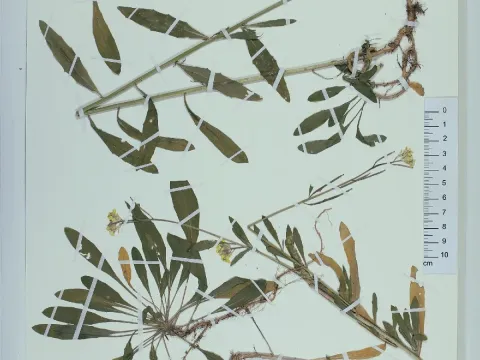
Hungarian wallflower
Erysimum hungaricum
Sowing of Erysimum hungaricum is typically scheduled for early spring when soil temperatures reach +5...+8°C, allowing seeds to take full advantage of post-winter soil moisture. Autumn sowing is also a viable option in temperate climates, as it subjects the seeds to natural stratification, ensuring more uniform germination.
What the section contains
Hungarian wallflower
Seeds should be sown at a shallow depth, ideally between 1 to 2 centimeters, as they require light to trigger the germination process effectively. In field conditions, a row-cropping method is preferred, maintaining a distance of 30 to 45 centimeters between rows to ensure proper air circulation.
The seedbed must be meticulously prepared, ensuring it is free of perennial weeds that could outcompete the young seedlings during their slow initial growth phase. Weed control at this stage is crucial for establishing a healthy, vigorous stand.
The recommended seeding rate varies between 2 and 4 kilograms per hectare, depending on the germination percentage and soil quality. Over-seeding should be avoided to prevent crowding, which can lead to elongated, fragile stems and reduced overall plant health.
Lightly firming the soil with a roller after sowing is highly recommended; this practice improves soil-to-seed contact, facilitating consistent moisture uptake and protecting the seeds from being carried away by wind or surface runoff.
The Hungarian wallflower is a hardy perennial herb belonging to the Brassicaceae family, naturally adapted to rocky, calcareous, or sandy substrates. It thrives in soils that are relatively nutrient-poor, making it an excellent candidate for marginal lands where high-input crops struggle.
Optimal growth conditions are found in well-drained, neutral to slightly alkaline soils. The plant is particularly sensitive to waterlogging, so fields with poor drainage or high water tables should be strictly avoided to prevent root and crown rot issues.
In terms of climate, the species shows remarkable cold tolerance, surviving winter dormancy well when protected by snow cover. However, it requires a sunny, open location during the growing season; sufficient solar exposure is essential for the plant to reach its full development.
Water requirements for this species are moderate, as it has evolved to withstand short periods of drought. Providing a steady, light water supply is far superior to excessive irrigation, which can encourage fungal pathogens and reduce the quality of the harvested biomass.
When selecting a site, prioritize elevated areas with good natural drainage. These locations offer better airflow, which is critical for minimizing the risks of humidity-related diseases and supporting the plant's overall metabolic performance.
The most significant threats to Hungarian wallflower crops are common Brassicaceae pests, such as flea beetles, which can devastate young seedlings in spring. Early monitoring and the use of targeted biological controls are necessary to keep pest populations below the economic injury level.
Fungal infections like powdery mildew and Alternaria blight are common in environments with poor ventilation or high moisture levels. Maintaining optimal row spacing and implementing proper crop rotation cycles are the primary methods for preventing disease outbreaks.
Larvae of diamondback moths and other lepidopteran pests may feed on the flower buds, which directly impacts seed yield. Regular scouting during the budding phase allows for timely intervention if damage levels exceed established thresholds.
Preventing cross-contamination with other brassica crops is essential in integrated pest management programs, as this reduces the likelihood of shared pest and pathogen clusters. Crop rotation should follow a cycle where the field is not used for this family for at least 4 to 5 years.
Cultural practices, including regular weeding and shallow mechanical cultivation between rows, are vital not just for nutrition, but for keeping the crop environment dry and well-ventilated, thereby acting as a powerful preventative measure against fungal infection.