
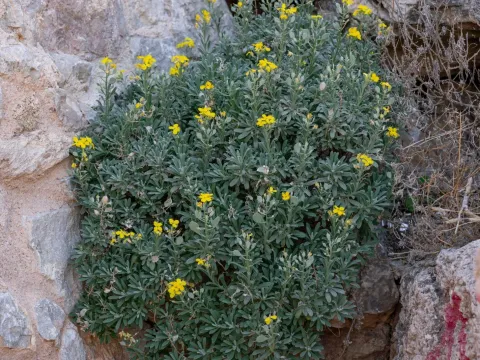
Acuston
Acuston
Acuston is a specialized agricultural crop that requires strict adherence to seasonal schedules for optimal development. The ideal sowing window occurs when soil temperatures reach 12-14 degrees Celsius, typically in mid-spring.
What the section contains

Acuston
The planting depth should be determined by soil texture and moisture levels. A standard row-seeding method is recommended to ensure uniform plant distribution and to simplify mechanical field operations.
Seed treatment with high-quality fungicides is essential before sowing. This preventive measure protects young seedlings from soil-borne pathogens during the vulnerable early stages of germination and growth.
Target planting density should be calculated based on the specific variety and available irrigation resources. Excessive seeding rates can reduce plant vigor due to intense competition for nutrients and sunlight.
Post-sowing soil compaction is a vital agrotechnical practice. Using a roller improves seed-to-soil contact, which is necessary for faster, more uniform emergence and stronger initial root system development.
Acuston thrives in fertile, well-drained soils, with a preference for chernozems or high-quality loams. The soil should ideally have a neutral pH, as extreme alkalinity or acidity significantly inhibits growth.
Water management is critical during the vegetative phase. Although the crop exhibits moderate drought tolerance, adequate moisture is required during flowering and seed filling to achieve maximum yield potential.
Light intensity is a major factor in crop development. As a long-day plant, Acuston requires significant sun exposure to properly develop its reproductive organs and to maximize the photosynthetic rate.
The optimal temperature range for growth is between 18 and 24 degrees Celsius. Significant deviations from this range can lead to metabolic stress, reduced nutrient uptake, and potentially stunted plant growth.
A balanced fertilization strategy is necessary for successful production. Nitrogen is vital early in the season, while potassium and phosphorus become priority nutrients as the plant matures and begins seed formation.
Yield performance in Acuston is highly dependent on the intensity of the farming system. Farms that utilize precision agriculture, optimized nutrition, and high-yielding hybrids typically achieve the best results.
Crop rotation history significantly influences total yield. Planting Acuston after cereal crops is generally recommended, as it helps break pest cycles and reduces the weed seed bank in the soil.
Foliar application of micronutrients during key growth stages can prevent nutritional deficiencies and mitigate environmental stress. This practice is a highly effective way to stabilize yields across different seasons.
Choosing high-quality seeds is a fundamental step that directly impacts yield. Certified seeds, adapted to the specific regional climate, consistently outperform low-quality or non-adapted seed sources.
Timeliness in field operations—such as fertilization, irrigation, and weed control—is the main determinant of profitability. Delays in these tasks often lead to irreversible losses in crop volume and quality.
Fungal infections are the most common threats to Acuston, particularly root rots and powdery mildew. These diseases thrive in environments with high humidity and poor air circulation within the plant canopy.
Insect pests, especially sucking insects, pose a significant threat by damaging foliage and extracting vital cell sap. This activity stunts plant growth and makes the crop more susceptible to secondary infections.
Soil-dwelling pests like wireworms can cause severe damage to the root system if left unmanaged. Soil insecticides applied during land preparation are often necessary in areas with high historical pest pressure.
Integrated Pest Management (IPM) is essential for sustainable crop protection. Monitoring pest populations allows farmers to intervene only when thresholds are reached, optimizing the use of chemical controls.
Effective crop rotation is the best prophylactic measure against soil-borne pathogens. A minimum break of three to four years between planting Acuston on the same field is recommended to suppress pathogen buildup.
Harvesting should occur at full biological maturity, when seed moisture content has dropped to safe levels. Delaying the harvest increases the risk of seed shattering and significant yield loss in the field.
Using modern combine harvesters with precise settings is critical for a high-quality harvest. Adjusting drum speed and concave clearance minimizes seed damage and maintains the integrity of the produce.
Post-harvest processing involves cleaning and controlled drying. Reducing seed moisture to standard storage levels is vital to prevent molding, heating, and quality degradation during the storage period.
Efficient logistics are necessary to move the crop from the field to storage facilities quickly. Proper handling reduces the risk of spoilage and preserves the market value of the harvested material.
Storage facilities must be dry, cool, and well-ventilated to maintain seed quality. Periodic inspection and temperature monitoring are necessary to detect any potential issues before they cause widespread damage.